Red Light Therapy for Foot Neuropathy: Can It Help Numbness and Tingling?

Numbness, tingling, burning, pins-and-needles, or unusual sensitivity in the feet can all be described as “neuropathy symptoms.” But those symptoms do not point to one single disease, and that distinction matters when evaluating red light therapy.

Photobiomodulation therapy (PBMT) — the scientific term commonly used for red and near-infrared light therapy — has been studied in people with peripheral neuropathy. The most relevant human evidence is concentrated in diabetic peripheral neuropathy (DPN), where randomized trials and systematic reviews have reported improvements in pain, sensation, nerve-related measures, or plantar pressure in some studies.

That does not mean red light therapy has been proven for every cause of numb or tingling feet. Neuropathy from diabetes, chemotherapy, vitamin deficiency, nerve compression, autoimmune disease, alcohol use, or an unknown cause can involve very different biology and treatment priorities.

So the useful question is not simply “Does red light help neuropathy?” It is: what kind of neuropathy are we talking about, and what has actually been studied?

What Does Foot Neuropathy Feel Like?

Peripheral neuropathy affects nerves outside the brain and spinal cord. In the feet, symptoms can include:

  • Burning pain
  • Tingling or pins-and-needles
  • Numbness
  • Reduced ability to feel temperature or pressure
  • Unusual sensitivity to light touch
  • Electric, shooting, or stabbing sensations
  • Balance problems when sensation is reduced

In diabetic peripheral neuropathy, symptoms often begin in the toes and feet and can gradually move upward. Some people have painful symptoms; others mainly lose sensation.

Loss of protective sensation is especially important because a foot can be injured without producing the warning pain a person would normally notice.

Can Red Light Therapy Help Neuropathy in the Feet?

There is a legitimate clinical research base, but the answer needs qualification.

A 2023 systematic review of PBMT for diabetic peripheral neuropathy included eight studies and reported improvements in outcomes such as neuropathic pain, nerve conduction velocity, and plantar pressure distribution across the included literature.

Newer randomized studies have also reported encouraging results. A 2025 randomized controlled trial involving 200 people with type 2 diabetes and peripheral neuropathy applied PBMT to the plantar and dorsal surfaces of the feet and reported improvements in pain, protective sensation, neuropathy-related measures, and several biomarkers compared with control treatment.

Another randomized study used visible red and near-infrared wavelengths over the surface of each foot and reported improvements in some sensory and symptom measures.

However, the evidence is not uniformly positive. An older double-blind sham-controlled trial found that monochromatic infrared therapy was no better than sham treatment for multiple neuropathy outcomes.

The fairest conclusion is therefore:

PBMT is promising for diabetic peripheral neuropathy, but protocols and results vary, and the evidence is not strong enough to say that red light therapy reliably reverses neuropathy.

For a full review of the DPN evidence — including positive and negative trials — see Does Red Light Therapy Help Diabetic Peripheral Neuropathy? What the Evidence Says.

Why Is Diabetic Peripheral Neuropathy Different?

Diabetes can damage peripheral nerves over time through a combination of metabolic and vascular mechanisms. DPN is also a diagnosis of exclusion: other causes of neuropathy may need to be considered even when someone has diabetes.

The American Diabetes Association recommends routine assessment for diabetic peripheral neuropathy and regular foot evaluation, including testing for loss of protective sensation.

This matters because a device that makes a foot feel more comfortable does not replace the need to identify wounds, pressure injuries, circulation problems, or progressive sensory loss.

What About Neuropathy That Is Not Caused by Diabetes?

This is where overgeneralization becomes a problem.

People search for red light therapy for:

  • Chemotherapy-induced neuropathy
  • Small-fiber neuropathy
  • Idiopathic neuropathy
  • Nerve-compression symptoms
  • Vitamin-deficiency neuropathy
  • Alcohol-related neuropathy

Those are not interchangeable conditions.

The fact that PBMT has shown promising results in DPN does not establish that the same wavelengths, dose, or treatment schedule will help every other type of neuropathy.

If the cause of persistent numbness or burning is unknown, identifying the cause should come before assuming that a home light device is the answer.

What Might PBMT Be Doing?

PBMT is being studied for effects on cellular energy metabolism, oxidative stress, inflammatory signaling, microcirculation, pain modulation, and neural function.

Those mechanisms make nerve-related applications scientifically plausible, but mechanistic plausibility is not proof of nerve regeneration in humans.

Some DPN studies have measured more than pain scores. Researchers have also looked at nerve conduction, monofilament sensation, vibration perception, plantar pressure, and biomarkers.

We review that distinction in more detail in Can Red Light Therapy Improve Nerve Function in the Feet?.

Where Has Light Been Applied in Foot Neuropathy Studies?

Several clinical studies have treated more than one tiny point on the foot. Research protocols have included the plantar surface, dorsal surface, or broader foot coverage.

That makes anatomical coverage a relevant practical consideration. A person whose symptoms affect the toes, sole, and forefoot may care about a different treatment geometry than someone targeting one small painful spot.

But clinical treatment geometry should not be confused with proof that a particular consumer product works.

If you are interested in what clinical studies actually did — and how that differs from home LED use — see How to Use Red Light Therapy for Neuropathy in Feet.

Panel, Wrap, or Foot-Specific Device?

A stationary panel can be a reasonable option if you already own one and can comfortably expose the relevant surfaces of the feet.

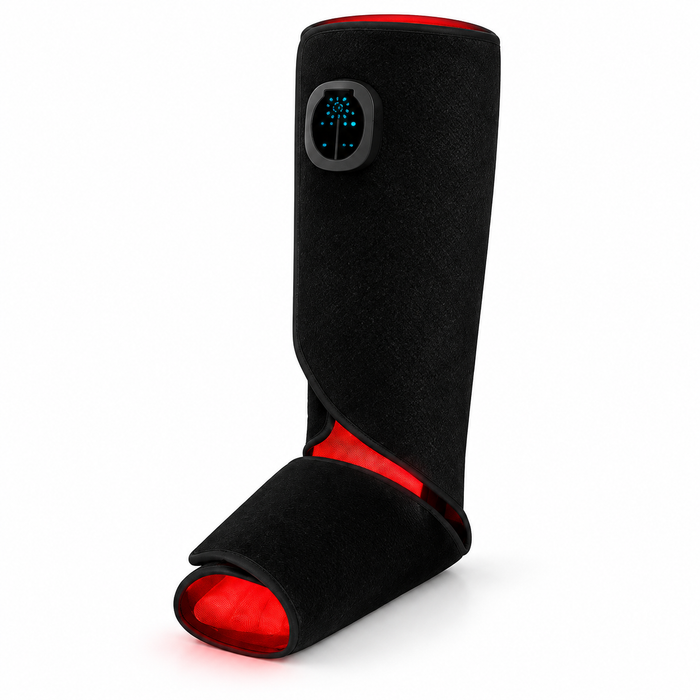
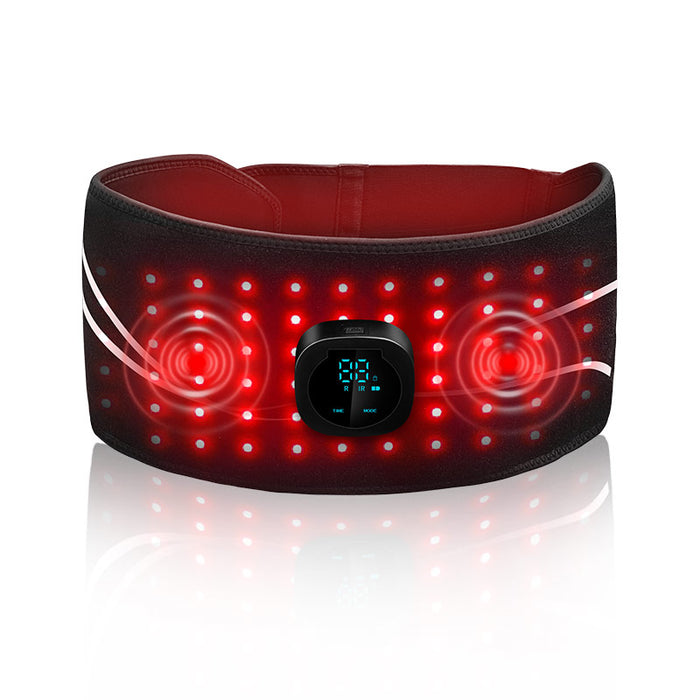
A wearable or foot-specific device offers a different practical advantage: it can make repeatable coverage easier, particularly around the sole and sides of the foot.

Neither format is automatically more therapeutic simply because of its shape.

If you are deciding what type of device fits this use case, see Best Red Light Therapy Device for Foot Neuropathy: Panel vs Wrap vs Foot Device.

Where the Sissilux Foot Wrap Fits

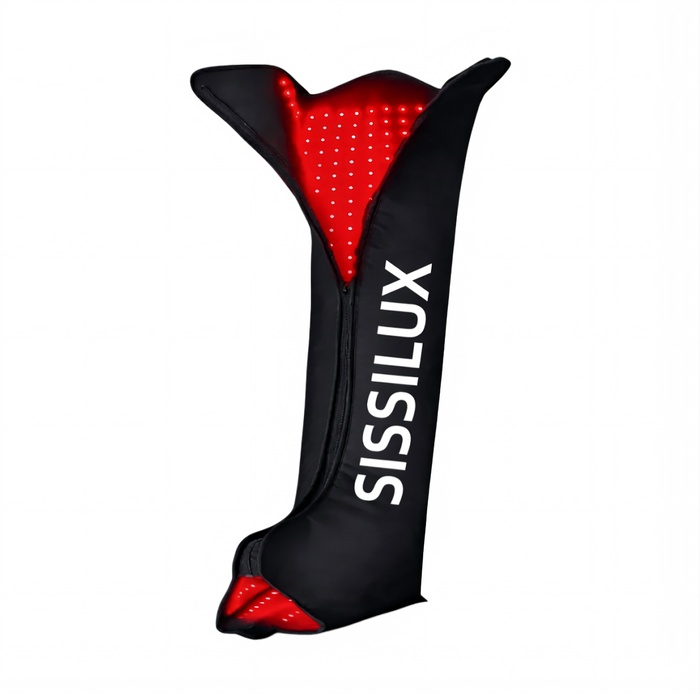
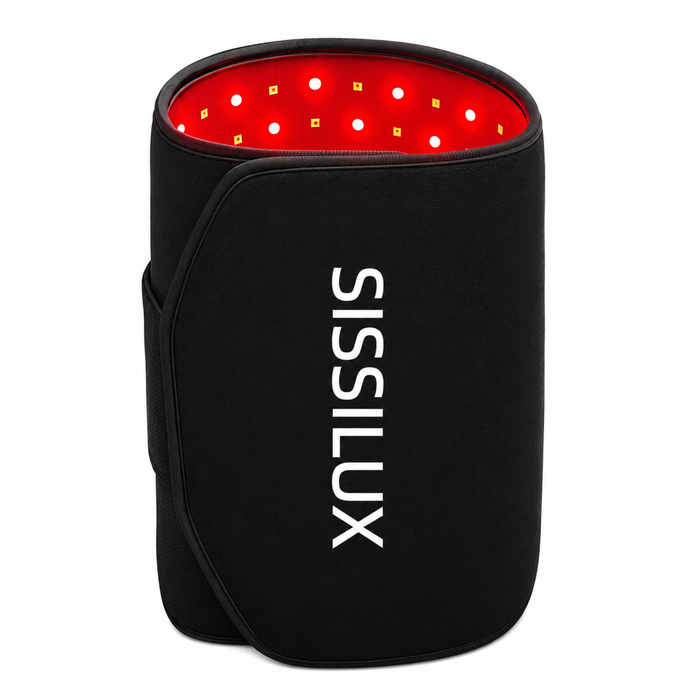
The Sissilux Red & Near-Infrared Light Therapy Wrap for Feet & Ankles combines 660nm visible red light and 850nm near-infrared light in a flexible cordless design intended to surround the sole, heel, and ankle.

That makes it relevant to people who prioritize targeted foot coverage and convenient positioning.

It does not mean the device reproduces the clinical protocols used in DPN trials, and it should not be described as a treatment that reverses diabetic nerve damage.

When Numb or Tingling Feet Need Medical Evaluation

Persistent numbness, burning, weakness, balance changes, or loss of sensation deserves medical evaluation, especially when the cause is unknown.

For people with diabetes, reduced protective sensation increases the importance of daily foot inspection and professional foot care. Seek prompt care for an open wound, infection, rapidly increasing redness or swelling, tissue discoloration, or a foot that becomes unusually hot or cold.

Red light therapy should never be used as a reason to ignore a wound simply because the area does not hurt.

Frequently Asked Questions

Can red light therapy reverse neuropathy?

Current evidence does not justify claiming that red light therapy reverses peripheral neuropathy. Some studies report improvements in symptoms or objective measures, but that is not the same as proven nerve regeneration or reversal of the underlying disease.

Can red light help numb feet?

Some studies in diabetic peripheral neuropathy have reported improvements in sensory measures. Evidence is promising but not conclusive, and numb feet can have many causes.

Is near-infrared light better than red light for neuropathy?

Both visible red and near-infrared wavelengths have been studied. There is not enough direct comparative evidence to declare one universally superior for foot neuropathy.

Should I treat the sole or top of the foot?

Clinical studies have used plantar, dorsal, or broader foot treatment patterns. The appropriate setup depends on the device, the intended area, and the protocol.

The Bottom Line

Red light therapy for foot neuropathy has more scientific support than a purely speculative wellness trend, but the strongest direct evidence is concentrated in diabetic peripheral neuropathy.

Several studies report improvements in pain, sensation, nerve-related measures, or plantar pressure. Other controlled research has not shown clear superiority over sham treatment.

That makes PBMT best understood as an emerging adjunct, not a proven way to regenerate nerves or replace diabetic foot care.

For a broader look at other causes of foot discomfort, see Red Light Therapy for Foot Pain: What the Evidence Says.

References

Zurück zum Blog