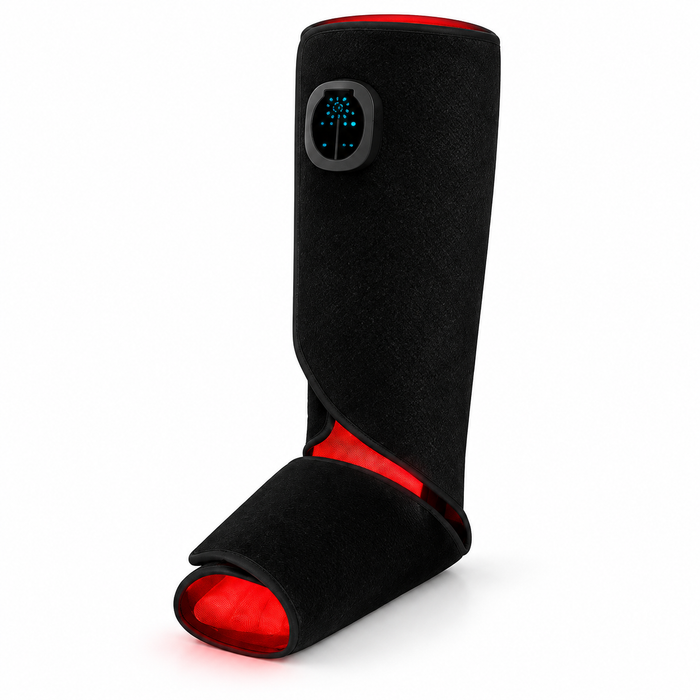
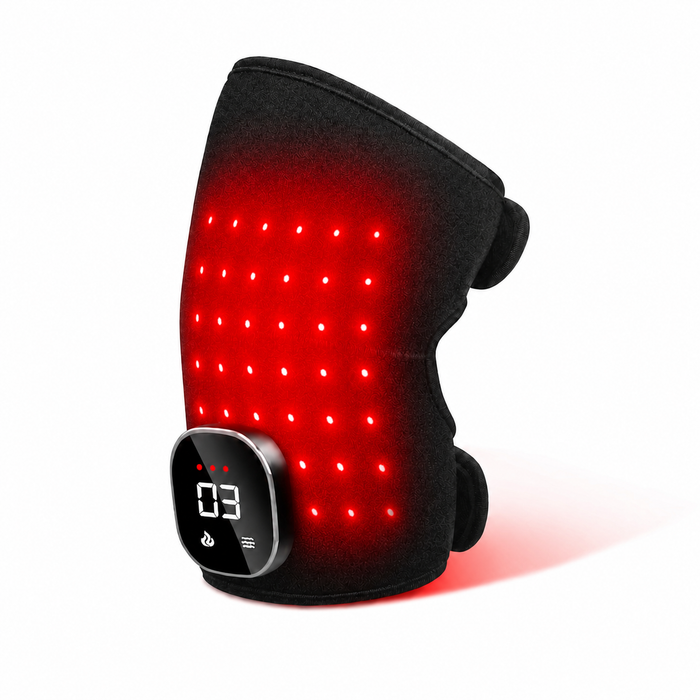
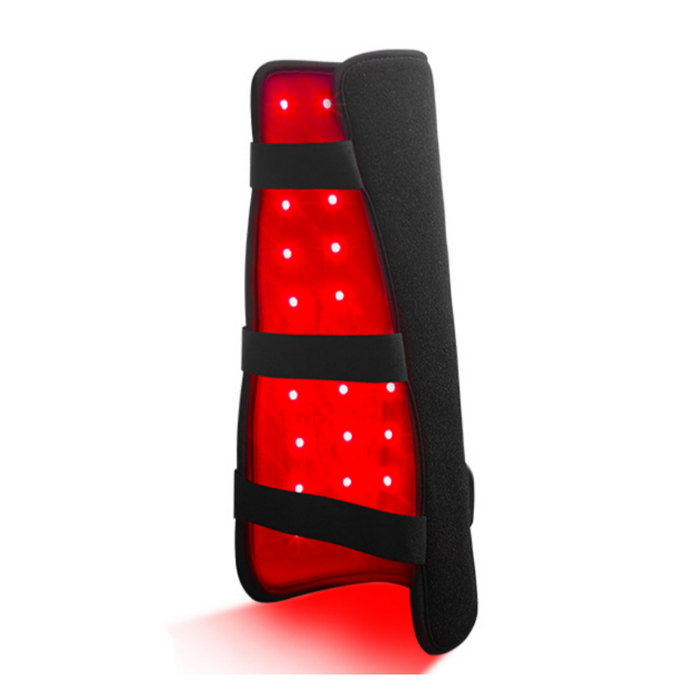
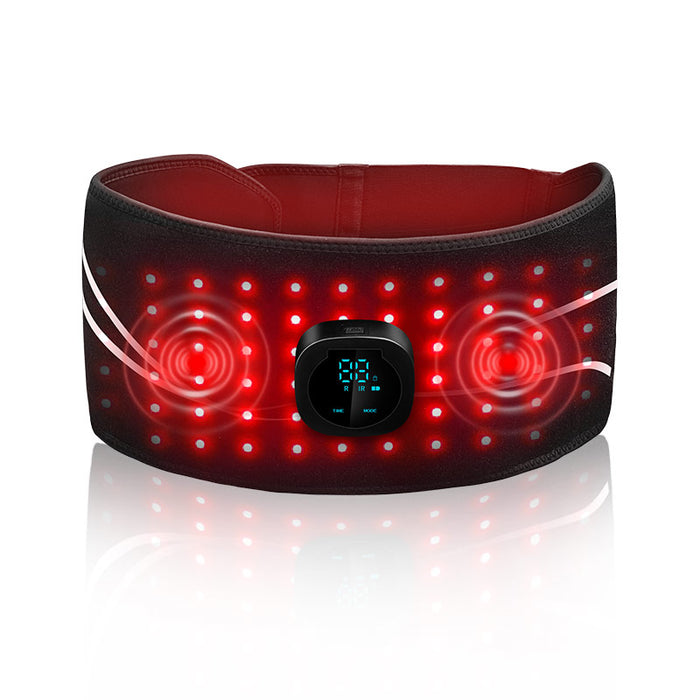
Diabetic peripheral neuropathy (DPN) is one of the most common long-term complications of diabetes. It can cause burning pain, tingling, numbness, altered sensation, and loss of protective feeling in the feet.
Because conventional treatment does not reliably restore lost nerve function, interest has grown around photobiomodulation therapy (PBMT), also called red light therapy or low-level light/laser therapy.
So does it actually help?
The most accurate conclusion is that PBMT may be a useful adjunct for some people with DPN, but it is not established as a treatment that reverses diabetic nerve loss.
What Is Diabetic Peripheral Neuropathy?
DPN is nerve damage associated with diabetes. It often begins distally — in the toes and feet — and can progress upward over time.
Symptoms may include:
- Burning or electric pain
- Tingling
- Numbness
- Reduced vibration or pressure sensation
- Allodynia, where light touch becomes painful
- Loss of protective sensation
- Balance problems
Importantly, some people with DPN have little or no pain. Loss of sensation can be more dangerous than pain because wounds or pressure injuries may go unnoticed.
The American Diabetes Association Standards of Care in Diabetes—2026 recommends routine neuropathy assessment and comprehensive foot evaluation, including testing for loss of protective sensation.
What Is Photobiomodulation?
PBMT uses non-ionizing visible red or near-infrared light at defined wavelengths and doses to influence biological processes without creating the destructive heat associated with surgical lasers.
Researchers have investigated PBMT for effects on cellular energy metabolism, oxidative stress, inflammatory signaling, microcirculation, pain pathways, and neural function.
For background on wavelengths, irradiance, and treatment dose, see the science behind red and near-infrared light therapy.
What Does the Systematic Review Evidence Show?
A 2023 Randomized Trial Using Red and Near-Infrared Wavelengths
A randomized study of 60 people with DPN investigated PBMT using visible red and near-infrared wavelengths applied over the surface of each foot, alongside conventional therapy.
| Parameter | Study protocol |
|---|---|
| Wavelengths | 630nm and 819nm light |
| Session length | 15-minute sessions |
| Frequency | Three times per week |
| Treatment course | 12 sessions |
The PBMT group showed improvement in some monofilament sensory findings and neuropathy-related symptom scores.
This study is useful for two reasons.
First, it shows that both visible red and near-infrared wavelengths have been investigated in DPN. Second, it highlights why treatment details matter.
It does not mean a home device using 660nm and 850nm is clinically equivalent. Wavelength is only one part of dose.
The 2025 Randomized Controlled Trial With 200 Participants
A larger 2025 randomized controlled trial included 200 people with type 2 diabetes and peripheral neuropathy.
PBMT was applied to both the plantar and dorsal surfaces of the feet using a defined clinical laser protocol.
The investigators reported improvements in neuropathic pain, protective sensation, neuropathy-related measures, quality of life, and several neuron-related biomarkers compared with control treatment.
This is one of the more substantial recent trials because of its sample size and because it included both subjective symptoms and objective measures.
But the treatment used a specific 632.8nm laser dose for a defined schedule. Those parameters should not be copied directly to a consumer LED product.
Why the Older Negative Trial Still Matters
Positive studies are only part of the evidence.
In a trial published online in 2007 and in print in 2008, people with diabetic peripheral neuropathy used active or sham monochromatic infrared photoenergy at home for 90 days.
The researchers found no significant advantage for active treatment across outcomes including nerve conduction, vibration perception, monofilament testing, neuropathy scores, and quality of life.
This negative result is important because it demonstrates that:
- Not every light-based device produces a clinical benefit
- “Infrared” is not a single standardized intervention
- Wavelength alone cannot predict effectiveness
- Sham-controlled research is essential in pain studies
It also prevents an overly simple narrative that every DPN PBMT study has been positive.
What About the Latest 2026 Pilot Data?
A 2026 randomized pilot trial studied local PBMT, local PBMT combined with intravascular laser irradiation of blood, and sham treatment in 26 participants with DPN.
The small study reported preliminary changes in pain and some neuropathic symptoms over time, but its size and design mean it should be treated as exploratory rather than definitive.
That is a good summary of the field overall: encouraging enough to justify further research, but not uniform enough to justify claims of guaranteed nerve recovery.
What Does the 2025 PBM Consensus Say?
A 2025 evidence-based consensus on photobiomodulation identified peripheral neuropathy among clinical applications for which PBM was considered an effective treatment option based on the reviewed literature.
That is meaningful expert support for the field.
However, a multidisciplinary PBM consensus is not the same thing as a diabetes-specific standard-of-care recommendation. The ADA Standards of Care still center DPN management on risk-factor control, symptom management, foot screening, and prevention of ulceration and injury.
Does PBMT Improve Pain or the Nerve Itself?
This is one of the most important questions.
Pain relief alone can occur without reversing the underlying neuropathy. But some PBMT studies have also measured:
- Nerve conduction velocity
- Monofilament sensation
- Vibration perception
- Protective sensation
- Plantar pressure distribution
- Neuron-related biomarkers
Some studies report improvements in these objective measures. That is scientifically more interesting than symptom relief alone.
But the evidence is not strong enough to conclude that PBMT regenerates damaged peripheral nerves or reverses DPN.
For a focused review of that issue, see Can Red Light Therapy Improve Nerve Function in the Feet?.
What Does This Evidence Mean for Home Red Light Devices?
It means two things at the same time.
First: the concept of applying red or near-infrared light to neuropathic feet is not scientifically baseless. Human DPN trials exist.
Second: a consumer LED device cannot inherit the results of a clinical laser trial simply because the wavelengths sound similar.
Clinical effects depend on:
- Wavelength
- Irradiance
- Energy density
- Treatment time
- Treatment area
- Distance from the tissue
- Pulse or continuous operation
- Number and frequency of sessions
If you want to see how clinical placement and home-use guidance should be separated, read How to Use Red Light Therapy for Neuropathy in Feet.
What About People With Numbness but No Diabetes?
The DPN literature should not be generalized to every neuropathy.
If your symptoms are numbness, burning, or tingling but the cause is unknown, start with our broader guide: Red Light Therapy for Foot Neuropathy: Can It Help Numbness and Tingling?.
Different causes of peripheral neuropathy may require completely different treatment.
What PBMT Should Not Replace
For people with diabetes, red light therapy should not replace:
- Blood glucose and cardiovascular risk-factor management
- Routine neuropathy assessment
- Foot inspection
- Appropriate footwear
- Evaluation of ulcers, calluses, deformity, or infection
- Evidence-based treatment for neuropathic pain when needed
A person with reduced sensation may not feel a developing foot injury. That makes prevention and inspection more important, not less.
Frequently Asked Questions
Is red light therapy proven for diabetic neuropathy?
There are positive randomized trials and a supportive systematic review, but results are heterogeneous and some sham-controlled studies are negative. “Promising adjunct” is more accurate than “proven cure.”
Can red light therapy regenerate diabetic nerves?
Current clinical evidence does not establish nerve regeneration or reversal of DPN. Some studies report improvements in nerve-related or sensory measures, which warrants further research.
What wavelengths have been studied?
Clinical studies have used several visible red and near-infrared wavelengths, including protocols around 630nm and near-infrared wavelengths above 800nm. There is no single wavelength established as universally best.
Can I copy a clinical study's treatment time at home?
No. Treatment time cannot be separated from irradiance, energy density, wavelength, distance, and device geometry.
Read improvement against the comparator
An active group improving from its own baseline is not enough to show that treatment beat sham. In the 2026 randomized pilot, the analysis did not demonstrate a significant group-by-time interaction. That limits the conclusion even when some within-group measures improve. Keep that distinction beside positive findings rather than counting every reported change as independent confirmation.
A promising adjunct is not a reversal claim
The evidence for PBMT in diabetic peripheral neuropathy is substantial enough to take seriously, but not consistent enough to support exaggerated claims.
Newer randomized trials report improvements in pain, sensation, and objective nerve-related measures. A systematic review is broadly supportive. At the same time, older sham-controlled research found no advantage, and recent pilot studies remain preliminary.
The most defensible interpretation is:
PBMT may be a useful adjunct for some people with diabetic peripheral neuropathy, but it is not an established way to reverse diabetic nerve damage and should not replace standard diabetes and foot care.
References
- Systematic review: PBMT for diabetic peripheral neuropathy. Current Diabetes Reviews. 2023.
- Randomized study of red and near-infrared PBMT for DPN. 2023.
- 200-participant randomized controlled trial. 2025.
- Double-blind sham-controlled infrared trial. Diabetes Care. 2008 (published online 2007).
- Randomized pilot trial of PBMT in DPN. 2026.
- Evidence-based consensus on photobiomodulation. 2025.
- ADA Standards of Care in Diabetes—2026: Neuropathy and Foot Care.