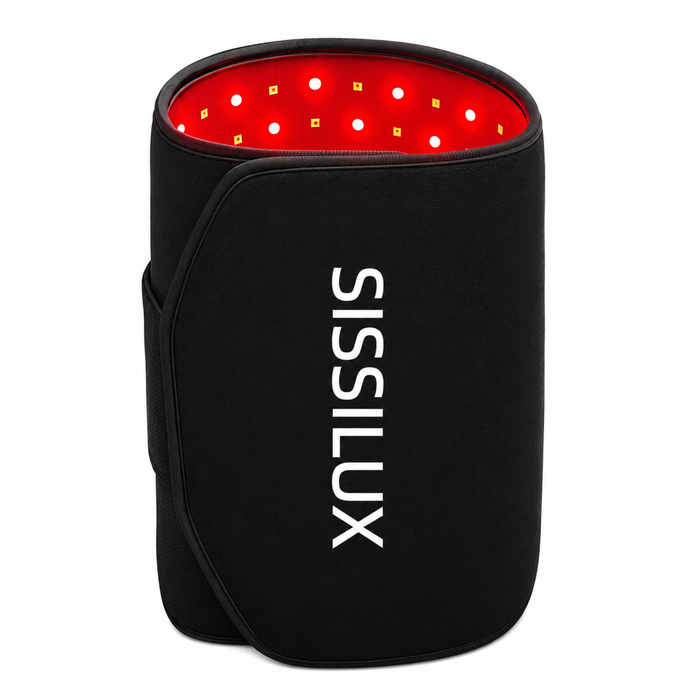
Red light therapy can be used as an add-on for ankle comfort, but “ankle pain” is not one diagnosis. Placement should follow the painful structure: around the outside of the ankle for a diagnosed lateral sprain, behind the ankle for the Achilles area, or across the front of the joint for joint-line discomfort. Light does not replace an exam after a serious injury or the progressive strength and balance work that restores ankle function.
An ankle can hurt on the outside, inside, front, or back—and those locations do not mean the same thing. That is why the useful question is not simply “Does red light work for ankle pain?” It is: what is causing the pain, which area needs coverage, and what else must remain in the recovery plan?
Ankle pain is a location, not a diagnosis
Pain after rolling the ankle often involves the lateral ligaments on the outside of the joint. Pain behind the ankle may involve the Achilles tendon. Front-of-ankle pain can come from the joint or surrounding tissues. Burning, tingling, or numbness points toward a different pathway altogether.
This distinction matters because photobiomodulation (PBM)—the technical name for red and near-infrared light therapy—delivers light to the tissue under the device. It does not diagnose the source of pain, repair instability by itself, or make every ankle problem equivalent.
What does the ankle-sprain evidence actually show?
The direct human evidence is mixed. A small randomized trial of 19 people with moderate ankle sprains reported better short-term ankle function when 635 nm PBM was added to standard care, but it did not show a significant long-term advantage. An older, much larger double-blind trial of 217 people tested a different 904 nm laser protocol and found no benefit over placebo for pain or recovery.
Those studies used clinical laser systems, specific doses, and clinician-managed protocols. They do not prove that every home LED device will produce the same result. The fair conclusion is that PBM is plausible as a recovery adjunct, but not a stand-alone ankle-sprain treatment.
Where should you place red light for ankle pain?
Use location to guide coverage only after you have a reasonable understanding of the problem.
| Pain pattern | Coverage focus | What light does not replace |
|---|---|---|
| Outside of the ankle after a diagnosed lateral sprain | Wrap around the outer ankle and nearby joint line without compressing a very swollen area | Protection, progressive weight-bearing, balance and strength work |
| Back of the ankle or lower Achilles | Position the light-facing surface behind the ankle and over the tendon region | A tendon-loading plan and assessment of sudden or severe symptoms |
| Front or inside of the ankle | Center coverage over the actual painful joint or soft-tissue region | Diagnosis when pain persists, recurs, or limits walking |
| Burning, tingling, or numbness | Do not assume this is a sprain; the sole and top of the foot may also matter | Medical evaluation for possible nerve or metabolic causes |
For pain centered behind the ankle, use the dedicated Achilles recovery and wrap-placement guide. If numbness or tingling is the dominant symptom, start with the foot-neuropathy guide instead.
Why light is an adjunct to loading—not a substitute for it
Exercise and light work through different inputs. Rehabilitation gives the ankle a mechanical signal: progressively tolerate weight, regain range of motion, rebuild calf and foot strength, and recover balance. PBM gives a photochemical signal. Laboratory and mechanistic research suggests red and near-infrared photons can interact with cellular pathways, including mitochondrial signaling, but clinical results depend heavily on dose, device, condition, and timing.
That difference is the logic for combining them. Loading rebuilds capacity; light may support the recovery environment between loading sessions. A 2021 clinical practice guideline for lateral ankle sprains emphasizes structured exercise, balance work, and progressive functional activity. Red light should sit beside that plan, not displace it.
A practical home setup
- Expose the target area. Put the light-facing surface against clean, bare skin rather than through a sock.
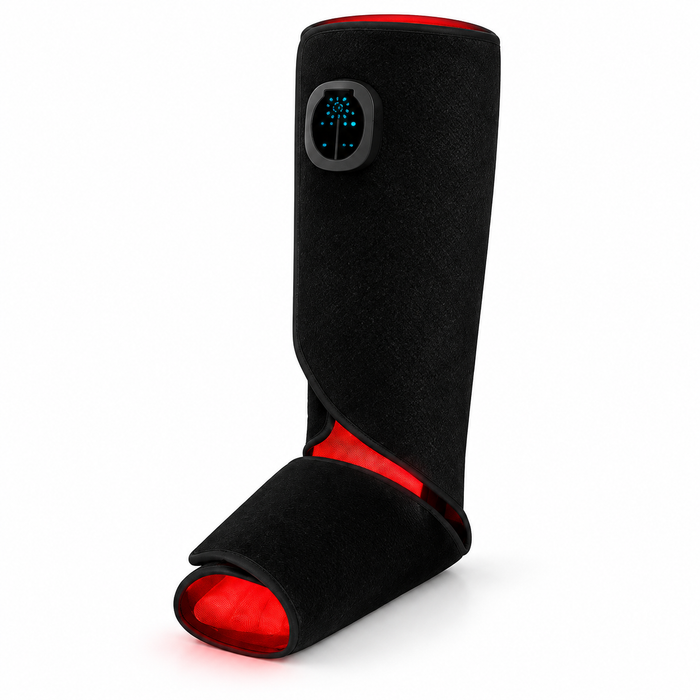
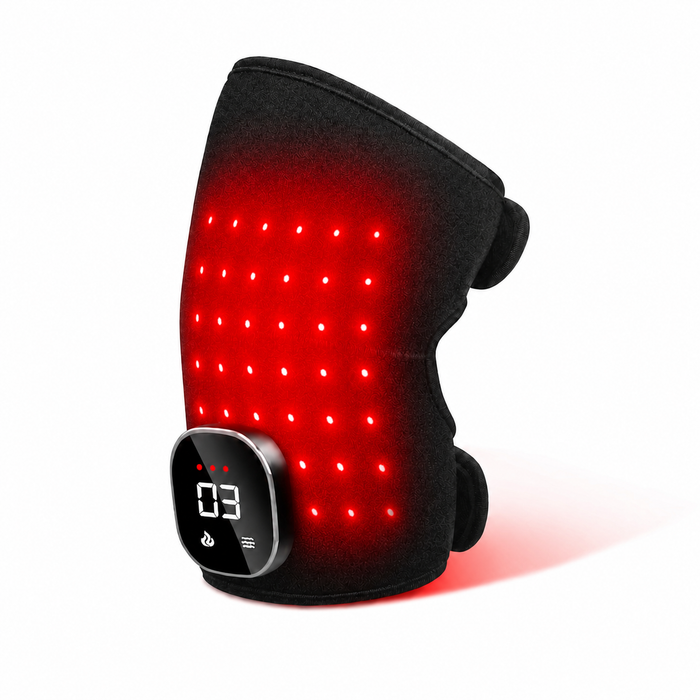
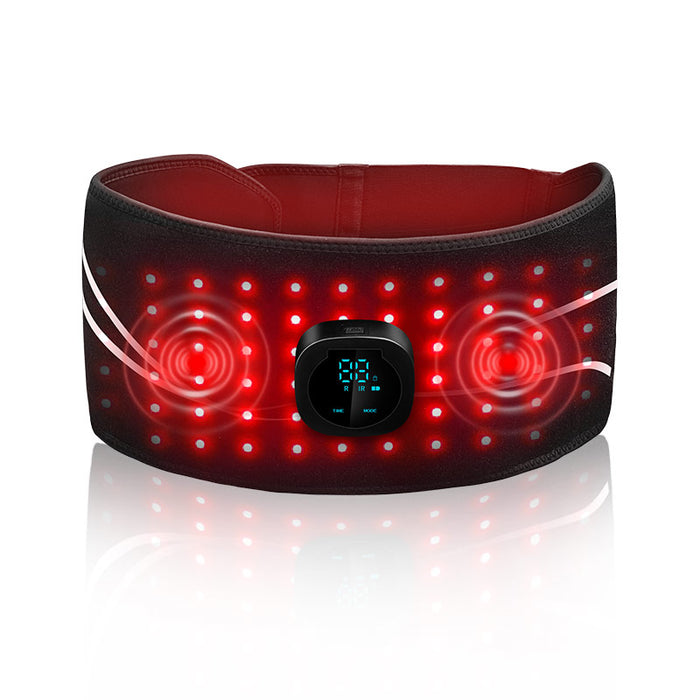
- Match the device to the painful region. A panel can cover a broad area but requires you to hold the distance and angle. A flexible foot-and-ankle wrap can keep the emitters close while you are seated.
- Keep pressure comfortable. Secure the wrap without making a swollen or tender ankle feel compressed.
- Follow the device instructions. Session time and settings are product-specific; more time is not automatically better.
- Track function. Note walking tolerance, stair comfort, swelling response, and confidence—not just pain immediately after a session.
Foot wrap, foot-and-calf boot, or full-leg boot?
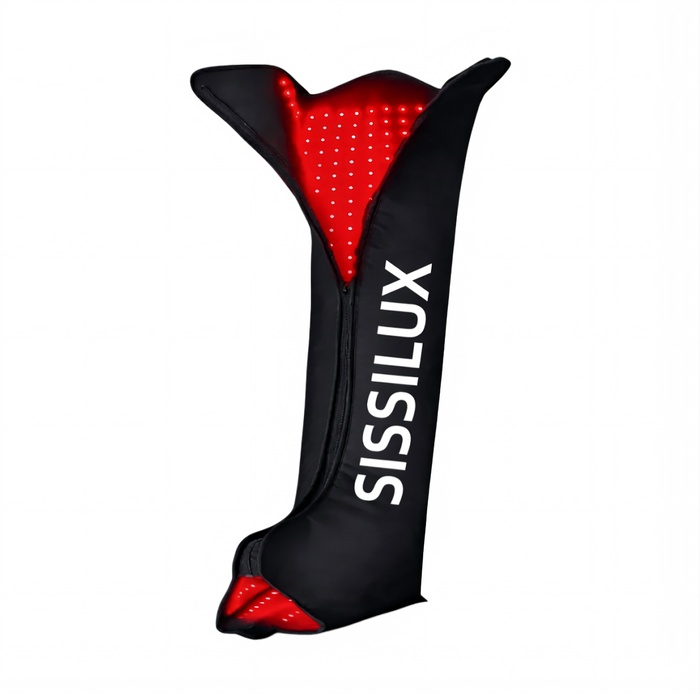
If the target is mainly the foot and ankle, a compact foot wrap keeps the setup focused. If your routine regularly includes the calf as well, a longer format may be more convenient. The feet-and-legs coverage guide compares those formats by body area and routine instead of reducing the choice to LED count.
When ankle pain needs an assessment first
Seek prompt medical care after an injury if you cannot bear weight, the ankle looks deformed, pain is severe or rapidly worsening, or you heard a snap or grinding sound. New numbness, color change, marked one-sided swelling, fever, or a hot red calf also deserves medical attention. Persistent or recurring pain should be assessed rather than repeatedly self-treated as a generic sprain.
The bottom line
Red light therapy for ankle pain makes the most sense when the painful area is identified, coverage is consistent, and the device supports—not replaces—a cause-specific recovery plan. For a diagnosed sprain, restoring motion, strength, balance, and confidence remains the main line of rehabilitation.
See SissWrap Foot’s ankle coverage and controls →
References
- Fractionated Irradiation in Photobiomodulation Therapy of Ankle Sprain. Randomized controlled trial.
- Low-level laser therapy in ankle sprains: a randomized clinical trial.
- 2021 Clinical Practice Guideline: Lateral Ankle Ligament Sprains.
- Mechanisms and Mitochondrial Redox Signaling in Photobiomodulation.