Choose a foot massager when you want controlled pressure and a kneading sensation across the sole. Choose a red-light foot device when you want light-based care without rollers pressing into a sensitive heel. For plantar fasciitis, that pressure preference is often the most useful first buying question.
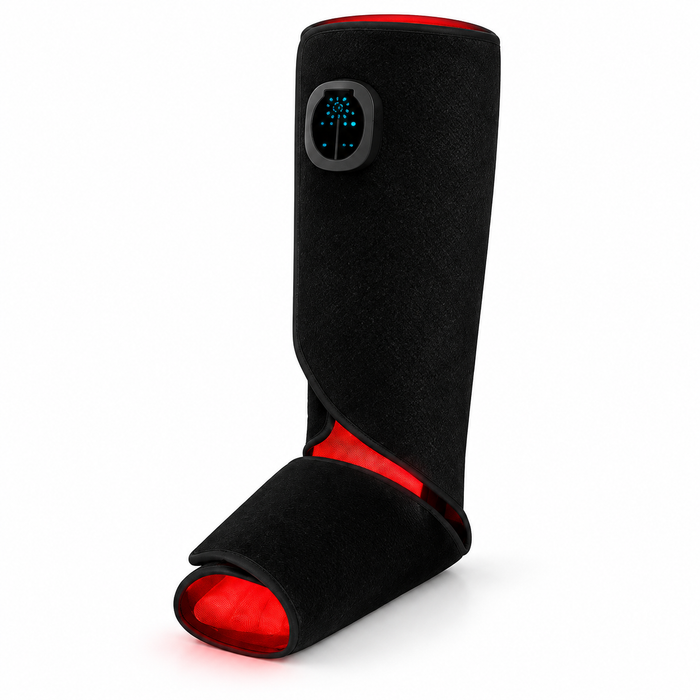
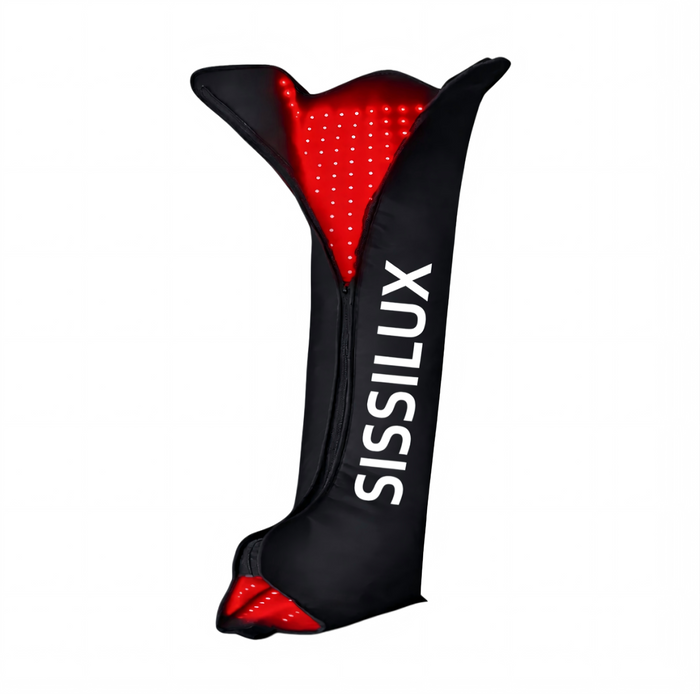
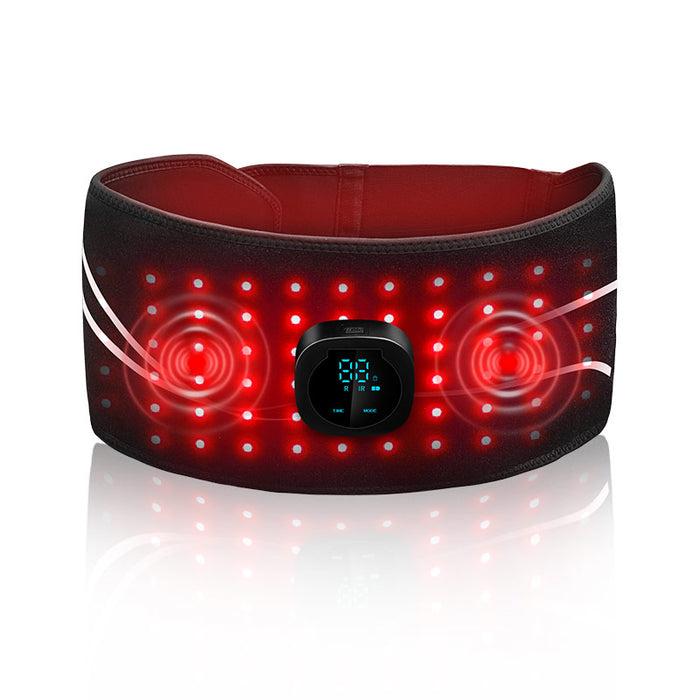
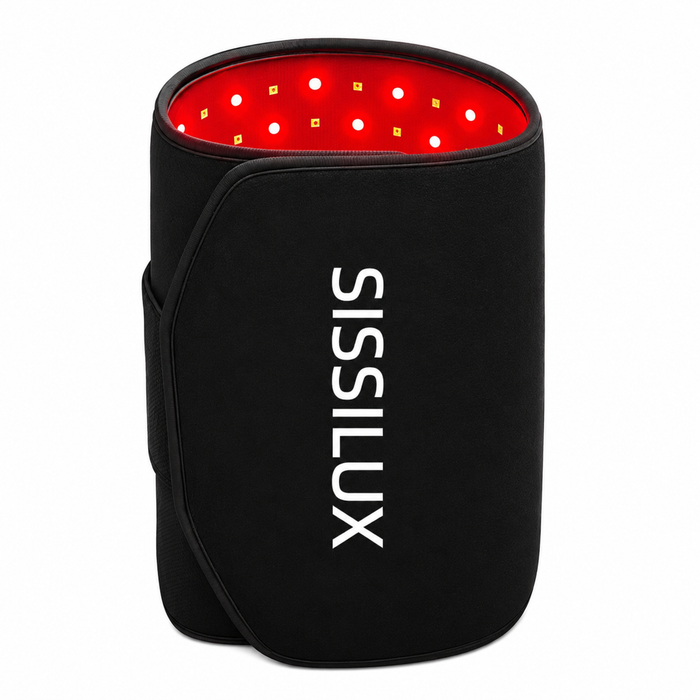
SISSILUX SissWrap Foot combines red and near-infrared light in a cordless foot-and-ankle wrap. It is a relevant option when you want a sole-focused recovery routine and prefer to leave mechanical kneading out of the session.
Does your foot welcome pressure, or pull away from it?
A foot massager can bring several actions together: moving nodes under the sole, air chambers around the foot, vibration and heat. The pressure you feel from a roller under the arch is different from an air chamber squeezing the top or sides of the foot.
That distinction matters with heel discomfort. You might enjoy broad arch pressure while finding a concentrated contact point under the heel unpleasant. Before buying, check where the massager's nodes sit and whether you can reduce or turn off the action you do not want. “Three intensities” is useful only when you know which function those settings control.
As one concrete example, Comfier's CF-5310 listing combines kneading, air compression, vibration and heat, with touch and remote controls. That is a different experience from fastening a light wrap around the foot. This guide compares those device categories using documented features, checked October 20, 2026, rather than reporting a hands-on test or a clinical head-to-head trial.
What makes red light a relevant option for plantar heel care?
Photobiomodulation has been studied for plantar fasciitis. A systematic review and meta-analysis reported short-term pain improvement with PBM, including when used with exercise. That supports considering light within a foot-care plan, with the session chosen for the device being used.
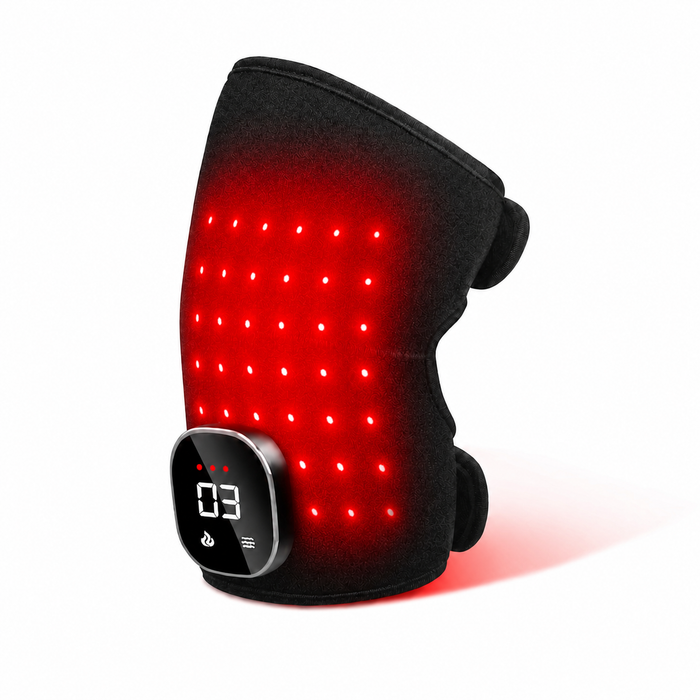
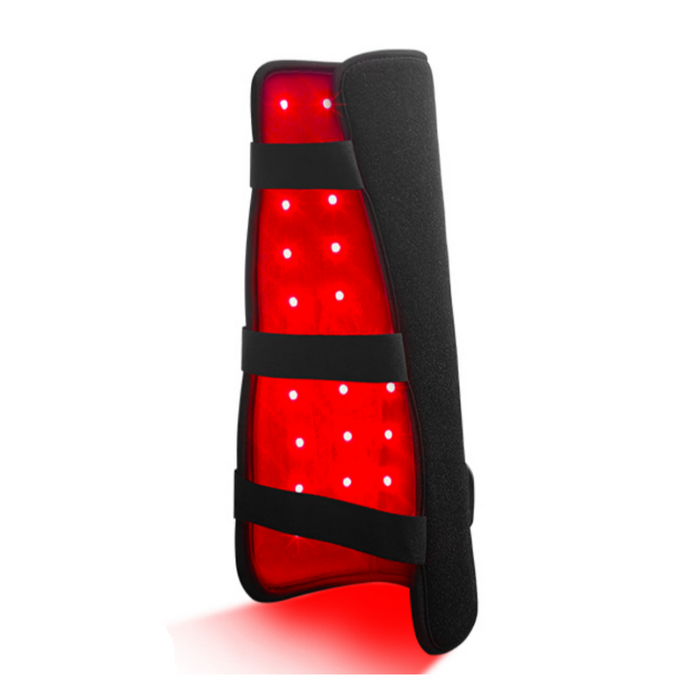
A foot-focused wrap translates that interest into a setup that places light around the sole, heel, toes and ankle. SissWrap Foot uses 660 nm red and 850 nm near-infrared light, with adjustable modes and brightness. Its contribution is a targeted light session without the moving pressure of a foot roller.
If pressing into the heel is the part you dislike about massage, the difference is practical: you can choose light without adding kneading. If massage pressure is the sensation you actively want, a massager answers that request more directly.
| Priority | Foot massager | Red-light foot wrap |
|---|---|---|
| Moving pressure beneath the arch | Look for the node or roller path and intensity control | Light rather than mechanical kneading |
| Avoiding roller pressure at the heel | Check whether kneading can be disabled | A direct reason to consider a light-based format |
| Reaching the underside of the foot | Check where the massage heads contact your sole | Check that LEDs face the sole and heel |
| Controls within easy reach | A remote can help with a floor-level machine | Check the wrap's controller position before fastening |
| Two-foot routine | Check whether both feet fit at once | Check order quantity and whether you plan simultaneous or alternating sessions |
Do not buy a foot device by shoe size alone
For an enclosed massager, compare usable internal length, width and height with your foot. The right question is whether your heel and arch line up with the intended contact points while the foot rests comfortably. A foot that fits through the opening does not automatically line up with every massage node.
For a light wrap, check the illuminated surface and closure together. Can the sole-facing section reach the heel and arch without folding away? Does the ankle closure stay comfortable when the foot is resting on a cushion? These checks are specific to foot care, rather than generic wearable-device features.
A built-in rechargeable battery also changes where you can arrange the session. With SissWrap Foot, you can choose a resting position without an operating cord running to the foot. Keep the fit comfortable and follow its directions; fastening more tightly is not a substitute for correct placement.
Keep the purchase connected to the rest of your foot-care plan
A useful device should fit around the work you already do for the foot. AAOS guidance includes activity adjustment, plantar-fascia and calf stretching, and supportive footwear among plantar-fasciitis care options. Buying a comfortable evening device and continuing those daily choices are compatible goals.
Evaluate the routine by what you want to improve: getting up from the chair, the first steps in the morning or tolerating an ordinary walk. A stronger massage sensation is not, by itself, a reason to increase intensity or extend a session. Choose the controls that let you stay comfortable and follow the selected device's instructions.