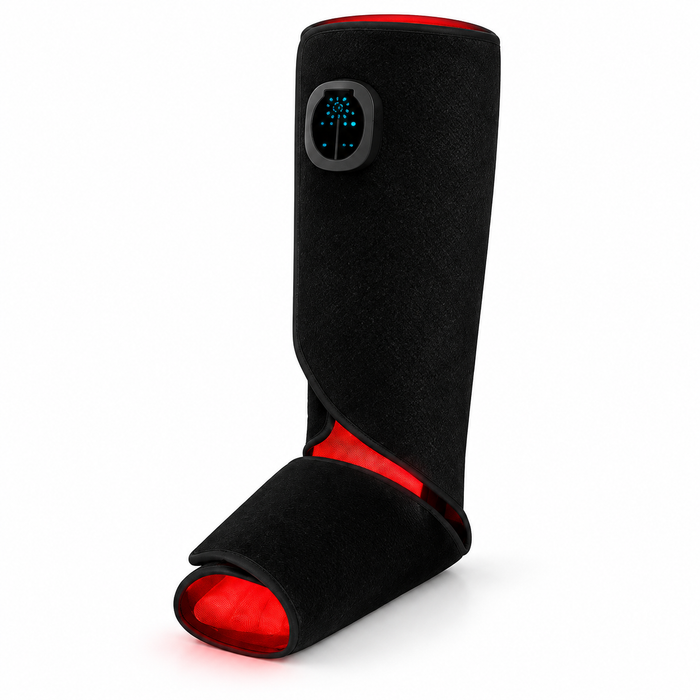
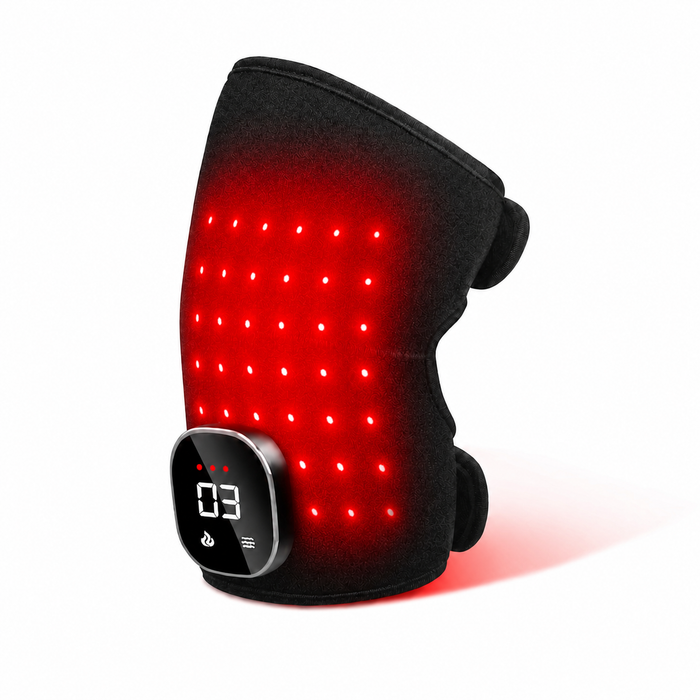
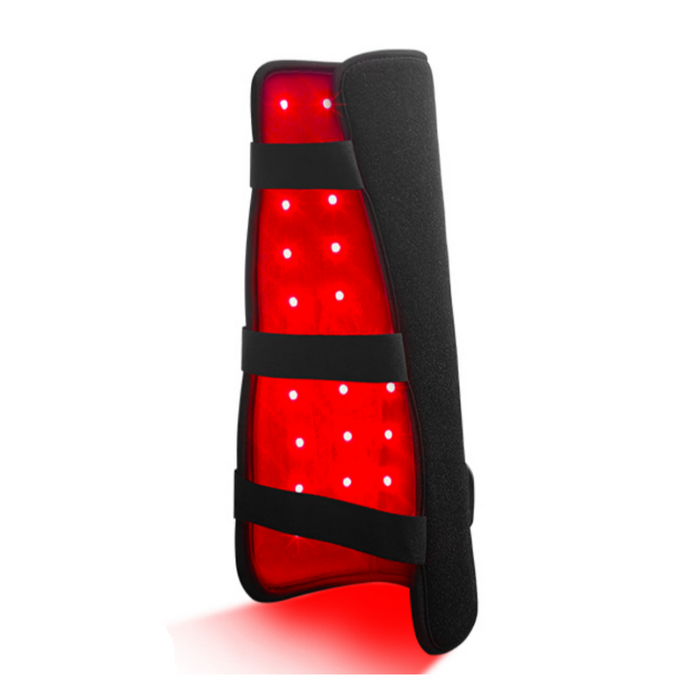
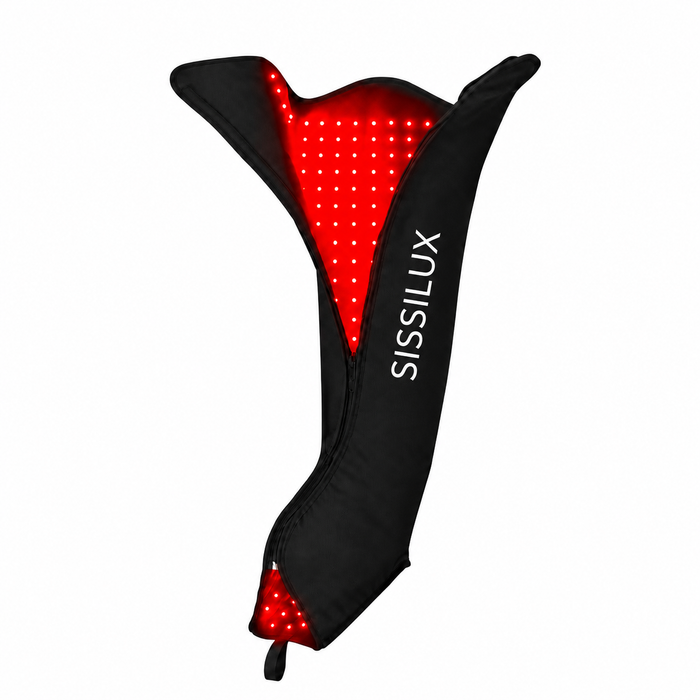
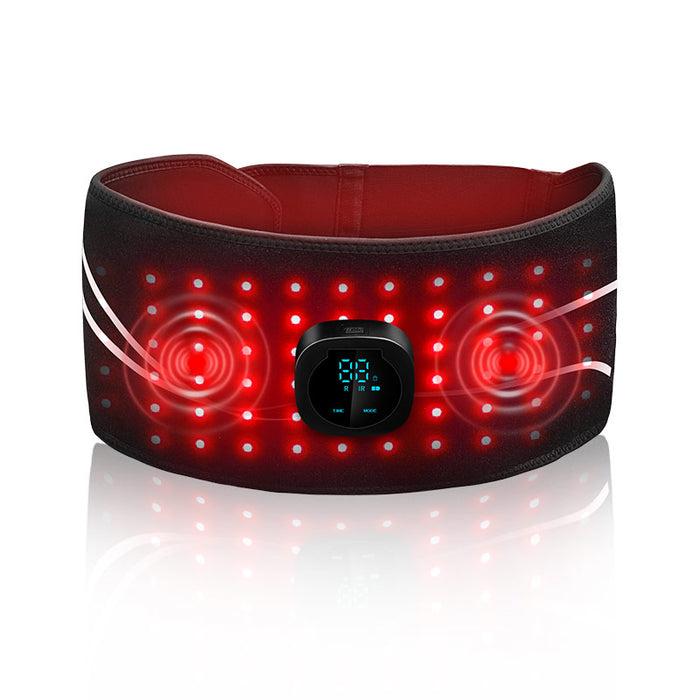
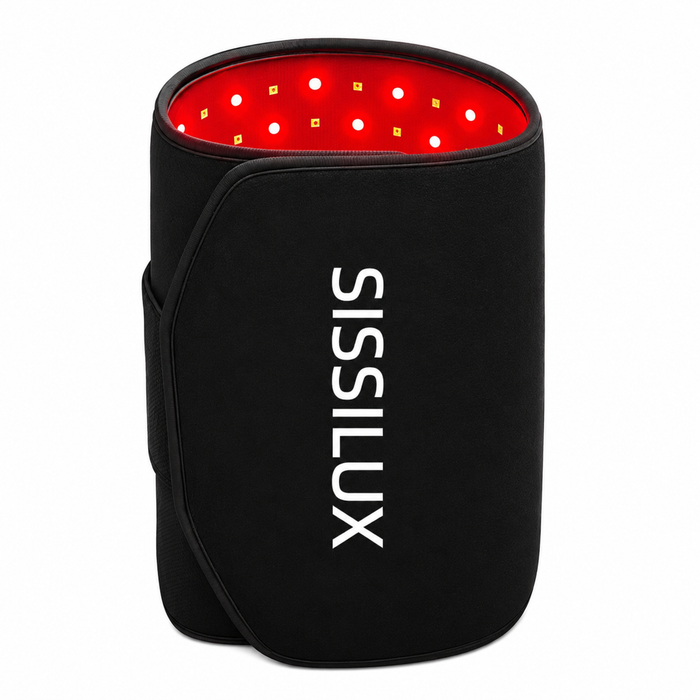
SISSILUX SissWrap™ Foot is our cordless foot-wrap option. We sell it, so this is a brand-authored format guide, not an independent product ranking or a head-to-head treatment trial.
Start with the heel, not the feature count
Plantar fasciitis commonly causes pain under the heel, according to AAOS. A device photo showing light across the top of a foot does not answer whether the plantar heel—the underside—is in the illuminated area.
For a foot wrap or boot, inspect the interior and placement images around the heel and arch. For a panel, work out how the sole will face the light at its instructed distance. For a flexible pad, check whether its permitted shape and fastening keep the intended area facing the emitting surface without an awkward fold.
The back of the ankle is a different target. A setup that covers the plantar heel should not be assumed to cover the Achilles tendon. That distinction matters when comparing a foot device with a general-purpose wrap.
Three starting points for choosing a device
Your main priority is your feet
Shortlist a foot wrap or boot with verified heel-and-sole coverage. Keeping the intended surface facing the light makes the targeted recovery session easier to set up and repeat; check fit and controls before counting extra modes.
You want several body areas
Compare a panel or a suitable flexible pad. Check the foot position as carefully as the larger treatment area: broad coverage is less useful if your heel faces away from it.
You already own a panel
Check its approved foot setup first. If you can keep the heel and sole facing it comfortably, a foot wrap mainly changes convenience; a second purchase is optional.
Panel, general wrap or foot device: what changes?
| Format | Reason to consider it | Purchase test | When to choose differently |
|---|---|---|---|
| Panel | Useful across multiple body areas without fastening a wearable around each one. | Can you expose the plantar heel at the model’s stated distance with a stable support? | A repeated foot position is uncomfortable or difficult to maintain. |
| General flexible wrap or pad | May serve several smaller areas if its instructions support those placements. | Does the lit area stay around the heel and sole without unsupported folding? | The fit leaves the target facing away from the light or demands constant repositioning. |
| Foot-shaped wrap or boot | Designed around a foot-focused setup; adjustable fastening may simplify repeated placement. | Check the actual illuminated heel area, fit and package quantity. | You chiefly want broad back or torso coverage, or the device does not fit. |
| Handheld device | May suit a small target when its instructions support that use. | Can you reach and hold the intended position for the instructed exposure? | Several areas or both feet make holding and repositioning impractical. |
For a closer look before choosing, explore SissWrap Foot’s close-contact fit and sole-and-heel coverage in our plantar fasciitis guide.
Which wavelength and power claims should influence the purchase?
Ask for the actual wavelengths and the model’s operating instructions. SissWrap Foot combines red and near-infrared LEDs; use its own placement and exposure guidance when building your routine.
Electrical watts describe power use; irradiance describes light arriving per unit area. To make a meaningful output comparison, you need the measurement distance, method, illuminated area and exposure time. More LEDs or a brighter-looking surface do not settle which device will work better.
The 2023 plantar-fasciitis clinical guideline recommends low-level laser therapy as part of rehabilitation for short-term pain reduction and identifies uncertainty about optimal parameters. Our plantar-fasciitis evidence review explains the research behind adding light to a heel-pain plan.
Resolve these questions before checkout
- Can you see where the heel sits relative to the LEDs? Ask for an interior or placement view if the listing only shows the exterior.
- Can you repeat the position comfortably? Include reaching the controls, fastening and removing the device in that check.
- What does the complete setup include? Confirm device quantity, controller, power source and any separately required equipment. Do not infer “pair” from a photo.
- Are timing and settings defined for this model? More intensity levels are not a substitute for instructions. Do not borrow a research laser schedule.
Once you have chosen a format, the heel-and-sole setup guide covers the next positioning and routine questions. For the broader body-area tradeoff, use our wrap-versus-panel guide.
A device choice is only one part of the plan. To connect heel-and-sole light use with the exercise side of recovery, follow our plantar fasciitis progressive-loading framework.