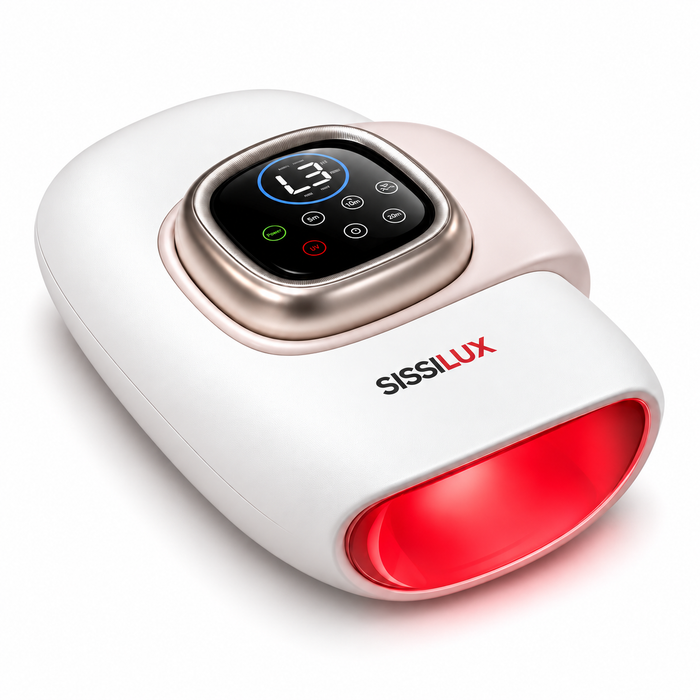
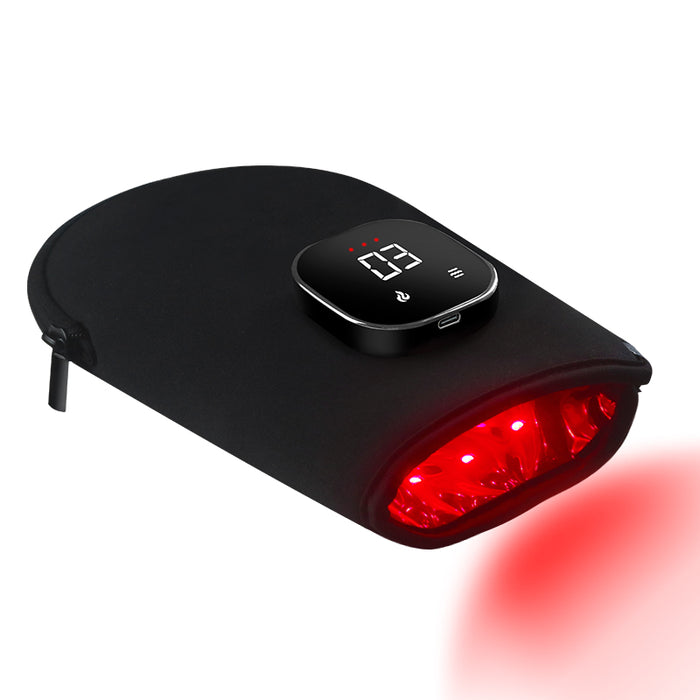
Hand massage can make a useful difference to how tired hands feel: it supplies comfortable pressure, creates a pause from gripping and gives you a way to relax the palm and fingers. The best approach depends on whether you want precise self-massage, warmth, or a device that performs the massage while both hands rest.
Those are different benefits from rebuilding strength or treating the cause of persistent pain. This guide explains what massage adds, how to choose a method and when a different kind of hand care answers the problem better.
What are the benefits of hand massage?
The Arthritis Foundation discusses hand-massage research in people with arthritis, including improvements in pain and some hand-function outcomes. That supports considering massage as part of comfort-focused care for that population. For everyday tired hands, the immediate practical benefit is a pressure-based relaxation step you can adjust to your preference.
- Targeted attention: self-massage lets you choose the part of the palm or finger that you want to work on.
- A more restful break: an electric device supplies the massage instead of asking the opposite hand to do it.
- Warmth when you want it: a heated model combines a warming experience with pressure, rather than requiring a separate warm-care setup.
Do not judge the benefit only by how hard the pressure feels. The useful question is whether the session is comfortable and fits the kind of care you want to repeat.
Self-massage or an electric hand massager?
Self-massage is useful when you want to control a small area rather than accept a whole-hand pressure pattern. An electric model changes who performs the work: it is more relevant when you enjoy massage but want the opposite hand to rest as well. Neither format needs to feel aggressive to serve that comfort goal.
A simple way to try gentle self-massage
The Arthritis Foundation describes moving comfortable pressure along the forearm and through the palm toward the fingers. Support the arm first, use the opposite hand to work along one comfortable region, and keep the contact easy to release. Give the base of the thumb and palm attention without forcing a painful joint or pulling a finger to its end range.
Notice what you are getting from the action: a relaxing sensation, a pause from holding, or more comfortable ordinary movement afterward. Do not turn the check into repeated hard squeezing. If performing the massage tires the opposite hand, that is a practical reason to consider automation rather than a reason to press harder.
Manual massage can be the simplest starting point when you enjoy controlling the contact yourself. If the other hand is tired too, automation changes the experience: you can support the forearm and let the device supply its pressure cycle. Our hand-massager value guide examines that purchase decision in more detail.
How to make the session comfortable
Support your forearm, release any unnecessary gripping and begin with comfortable contact. With a powered device, use that model's directions for insertion, controls and session timing; the hand-massager setup guide walks through the practical checks. If one device treats one hand at a time, allow for switching rather than trying to work or scroll throughout the session.
Keep massage distinct from forceful stretching or repeated attempts to press away a tender spot. NCCIH's massage overview notes that vigorous massage can cause harm in some circumstances. Stop if contact produces sharp pain, tingling, numbness or bruising; new swelling, locking fingers or persistent weakness deserves assessment rather than a stronger setting.
Match the next step to the reason your hands are tired
If typing keeps bringing the discomfort back, pair the comfort step with changes to your typing and mouse routine. If arthritis is the main concern, use the hand-arthritis guide for joint protection and daily tasks. Massage can make a break more pleasant, while those adjustments address what happens during the rest of the day.
For a gift, ask whether the recipient actually enjoys warming pressure and can insert the hand and reach the controls. For your own routine, choose the method you want to use—not the most elaborate one. Compare hand-massager coverage and controls when you are ready to shortlist a device.