After a day at a keyboard or a task that involves repeated gripping, you may want someone else to do the hand massage. A heated electric massager brings warmth and rhythmic pressure into a seated break. The buying decision is whether its placement and controls suit your hands—not whether its strongest setting feels impressive.
Start with wrist position, not squeezing power
Carpal tunnel syndrome involves pressure on a nerve at the wrist. The NHS recommends keeping the wrist straight with a night splint and reducing repeated bending or hard gripping. For your daytime hand-care setup, that makes a supported, relaxed position particularly important.
What to look for on the product page
| Check | What to look for | Why it matters |
|---|---|---|
| Pressure adjustment | An easy low starting setting and accessible controls | You can choose a comfortable squeeze instead of tolerating a preset strength. |
| Coverage | Clear images of the hand, fingers and wrist in position | You can judge where the device will contact you. |
| Heat control | Clear instructions for the warming function | You can choose warmth deliberately rather than relying on high heat. |
| Stopping | A control you can operate with your free hand | You can end the session promptly if the sensation changes. |
Where SissGlove fits a desk-break routine
Keep tingling separate from massage intensity
A pleasant squeeze should not create more numbness or pins and needles. If it does, stop rather than turning the intensity up. With reduced sensation, ask your clinician about heat and compression before using the device. Persistent or worsening tingling, weakness or difficulty gripping deserves assessment; the NHS lists worsening or unresolved symptoms as a reason to seek care.
A hand massager is an option for a relaxing comfort routine, alongside the care addressing the nerve pressure. Choose it because you want that warming massage break—not as a substitute for the splint or treatment you have been advised to use.
Compare the controls before you buy
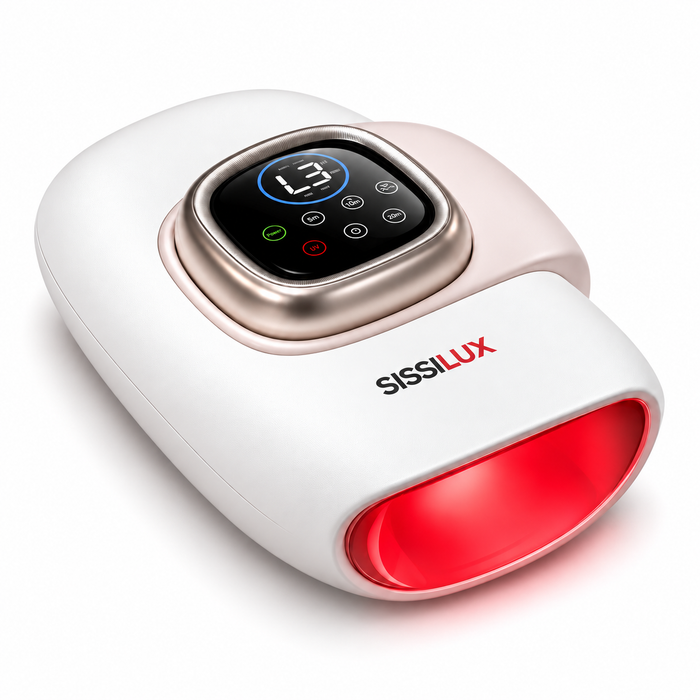
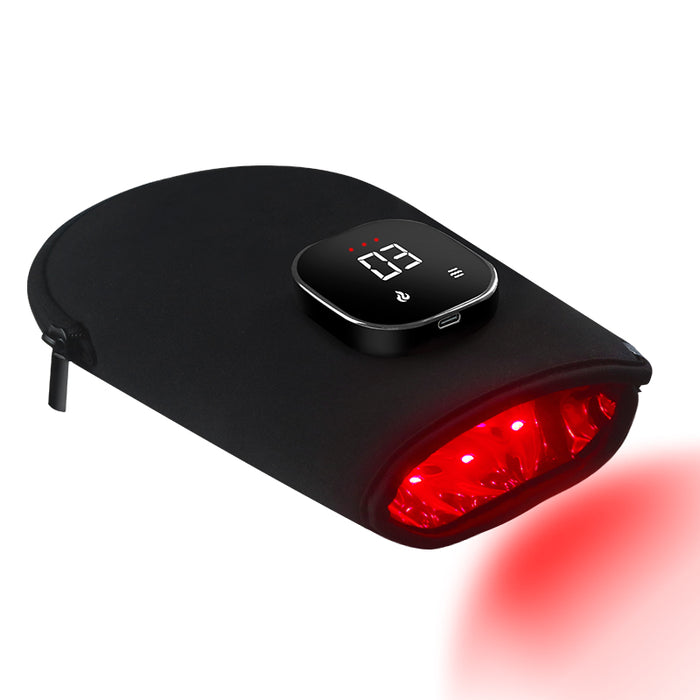
Open the product images and imagine using the device with one hand resting inside. Find the intensity control, check the insertion position and decide where your forearm will rest. Those details tell you more about day-to-day suitability than a generic “carpal tunnel” label.
See SissGlove Classic’s placement and controls, or compare alternative layouts in our hand massager buying guide.