When daily hand use starts to hurt, a better routine begins with a more specific question: which task, which part of the hand, and what changes afterward? That helps you choose useful adjustments and care instead of rotating through stronger stretches, harder massage and another device.
The Johns Hopkins hand-pain overview describes several possible conditions. Use the pattern below to describe your experience, not to diagnose it.
Choose the next question, not a label
- If the fingers are hardest to move after waking, start with morning stiffness.
- If opening a jar or pinching a small item triggers the thumb, look at pinch and grip demand.
- If the problem builds with tools or carrying, examine the gripping task.
- If typing and mouse use are the repeated demands, use the workday hand-care guide.
- If tingling wakes you at night, follow the nighttime-symptom pathway rather than calling it ordinary tiredness.
When the discomfort extends through the forearm, the forearm pain guide helps you review gripping demands and repeated arm work alongside your hand symptoms.
Four details that make “my hands hurt” more useful
Timing: does it begin while you hold something, build toward the end of a shift, appear after rest, or wake you from sleep? An ache after a long project and sudden pain during one movement should not be managed as the same event.
Location: point with one finger to the area rather than repeatedly pressing it to test the pain. Thumb-base discomfort during a pinch differs from several stiff knuckles, a tender patch of skin, or a sensation running from the wrist into the fingers. Location describes the problem; it does not establish the diagnosis.
Function: identify what changed. Do you avoid a particular fastening, put down a cup early, or drop objects unexpectedly? A task that is tiring is different from new weakness. Persistent loss of function deserves assessment, even if a recovery session temporarily feels pleasant.
Recent demand: include the unremarkable work. Moving house, a long drive, cooking for visitors and using a phone can all change the pattern of hand use. The last activity you remember is not necessarily the only relevant one.
Work through a day, not just the sore moment
Consider this example: you spend the morning using a mouse, carry groceries at lunch, and crochet in the evening. The tasks look different, but the hand gets little time away from holding. Simply adding a stronger massage at bedtime leaves every earlier demand unchanged.
A more useful plan has two parts. First, change the provoking demand: bring the mouse closer, divide the carry, or support the craft project instead of holding its weight. Second, create a break during which the hand is no longer gripping. The appropriate change depends on the task; these are examples to test, not a diagnosis or a rule to stop using your hands.
When the usual “overworked hands” explanation stops fitting
A new injury, marked swelling, a red hot joint, ongoing tingling, or worsening ability to move the hand needs a different next step. Seek prompt help for severe pain after an injury, loss of feeling or inability to use the hand. For a recurring problem, bring your task notes to a clinician or hand therapist rather than trying to solve it through progressively higher device settings.
That does not make every tired hand a medical problem. It means matching care to the pattern: ordinary manageable post-use aching can start with task changes and a recovery break; persistent neurological or joint symptoms need assessment alongside comfort care.
Give recovery a job of its own
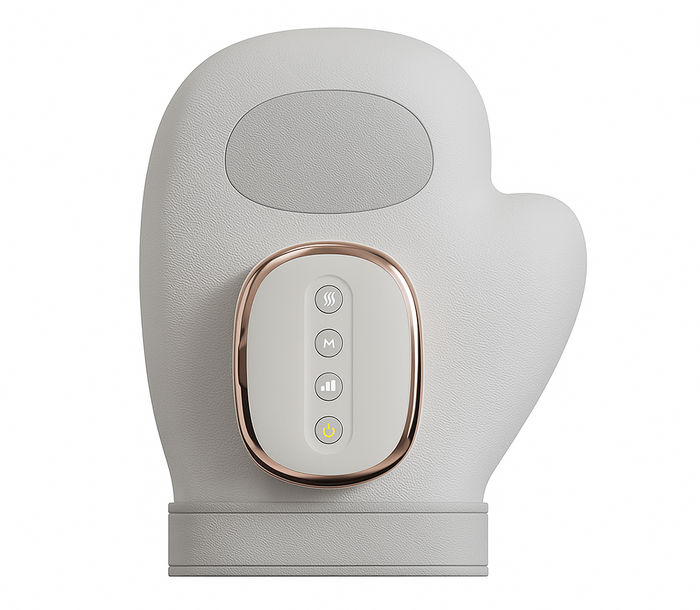
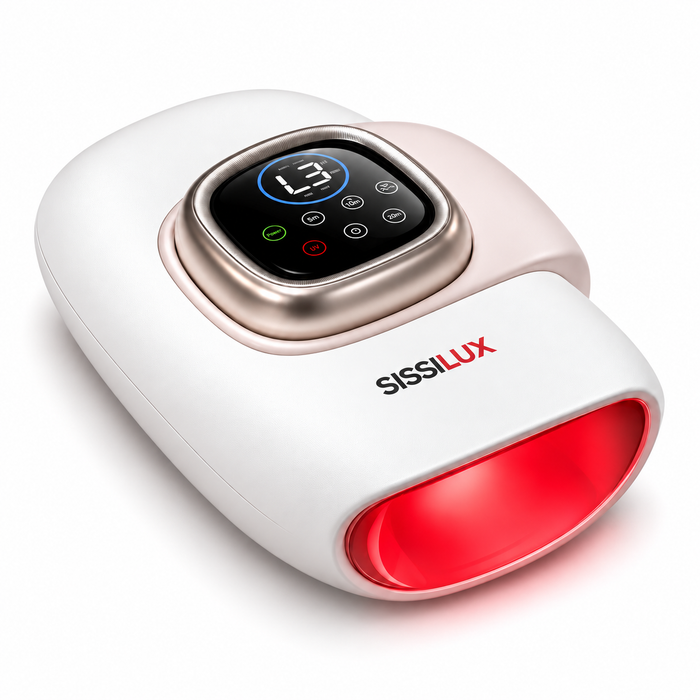
After a mouse-heavy day followed by carrying and crafts, choose a care step that lets the hand release its grip. If warmth and rhythmic pressure are the experience you want, SissGlove™ Classic performs that massage while the other hand rests too. If your usual self-massage concentrates on individual fingers, compare SissGlove™ Elite for its finger-focused design and dual-zone heating.
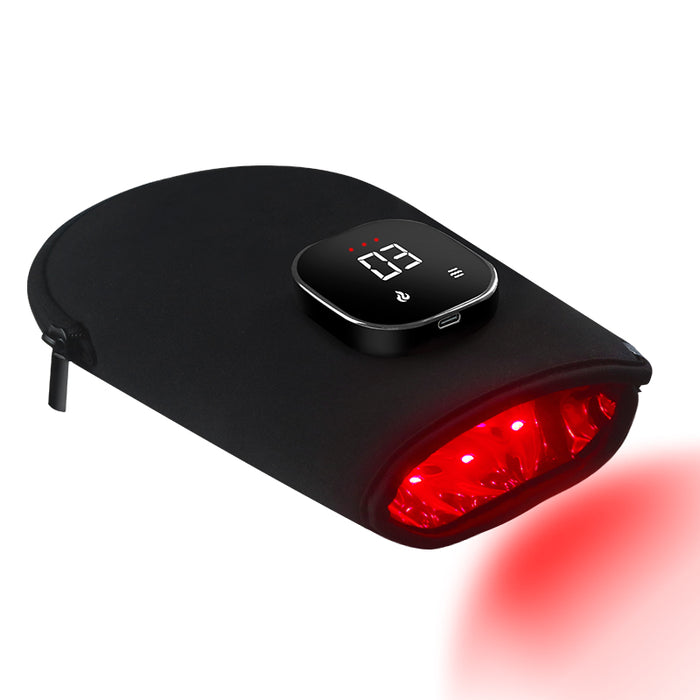
If squeezing is not appealing, SissWrap™ Hand & Wrist supplies red and near-infrared light without repeated kneading. Photobiomodulation research examines cellular processes involved in recovery; the hand evidence guide connects that rationale to joint, nerve and everyday-use questions. Its double-sided hand-to-wrist format makes a local light break practical after the holding tasks have stopped.
Choose around the part of your existing break you want to improve: automated warming massage, more finger attention, or light without squeeze. Compare those inputs before deciding which one belongs in your day.