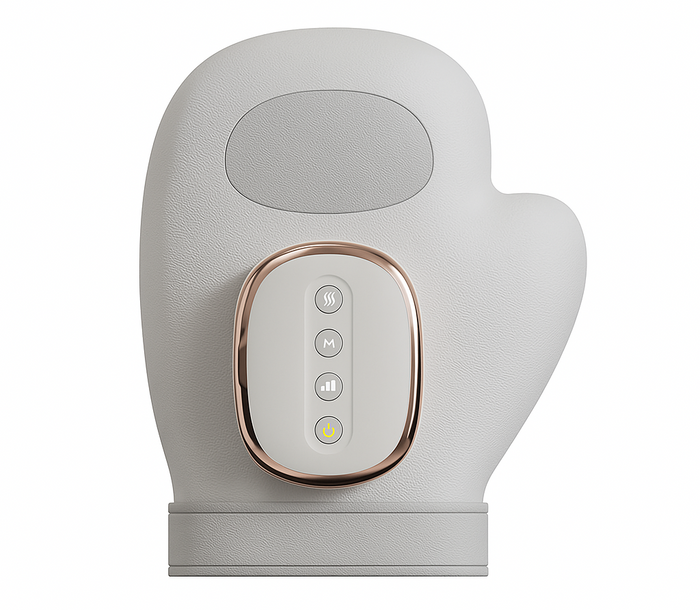
How can stimulation change pain?
NHS guidance describes two proposed effects: reducing the passage of pain messages toward the brain and encouraging the release of natural pain-relieving chemicals called endorphins. TENS does not work for everyone.
Think of this as changing the pain experience, rather than switching off a damaged body part. That distinction matters if temporary relief tempts you to return immediately to an activity that keeps aggravating the problem.
What do the studies support?
The 2022 meta-TENS review of 381 randomized trials found support for reduced pain intensity during or immediately after treatment compared with placebo. Its broad scope does not establish that every diagnosis responds equally or that relief persists after treatment ends.
Condition-specific advice still matters. For example, NICE guideline NG59 recommends against offering TENS for low-back pain with or without sciatica. A general pain result should not override that narrower guidance.
Is TENS the same as EMS?
No. The intended job of TENS is pain modulation; EMS focuses on muscle stimulation. A device may include both, but the labels are not interchangeable. Our guide to electrical muscle stimulation explains what that difference means when choosing a function.
If the cause of your pain is unclear, seek assessment before using TENS. For a closer look at the equipment rather than the science, read the SissPulse equipment and buying checks.
Judge the outcome you actually want
Separate three questions: does pain change while stimulation is on, does the change last after it stops, and can you do the activity that matters to you? Evidence about the first question does not automatically answer the other two. If temporary relief is your goal, agree on a practical way to judge it; if you need recovery or rehabilitation, ask what addresses that separate goal.