A targeted light routine for plantar heel pain starts with the underside of the heel and sole. Light-based rehabilitation research supports a role in short-term pain reduction alongside stretching and load management. Align the emitting area with the plantar heel, then follow the settings and session length for your device.
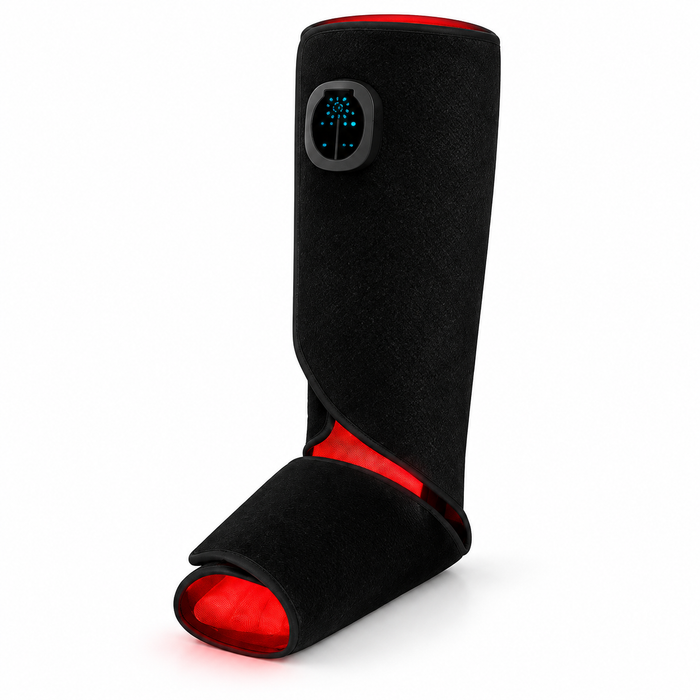
This guide helps you set up that coverage and make the routine repeatable. A panel needs the sole facing its light; a foot wrap needs its illuminated section aligned around the heel and sole.
Set up the heel and sole first
- Sit with your foot supported. Choose a position you can maintain without holding the foot awkwardly throughout the session.
- Check where the light actually lands. The painful plantar heel is underneath the foot; the plantar fascia extends forward into the arch. A panel aimed only at the top of the foot misses the underside. With a wrap, check heel-to-arch coverage before fastening it.
- Follow the device’s contact or distance instructions. Do not copy a panel’s operating distance onto a wearable. Follow its instructions about bare skin; do not assume it is designed to shine through a sock or shoe.
- Use the specified mode, intensity and timer. Keep the fit comfortable. A light wrap does not need to squeeze the foot to hold it in place.
- Finish the session and check your skin. Stop if irritation or discomfort develops. Do not add extra sessions simply because you did not feel an immediate change.
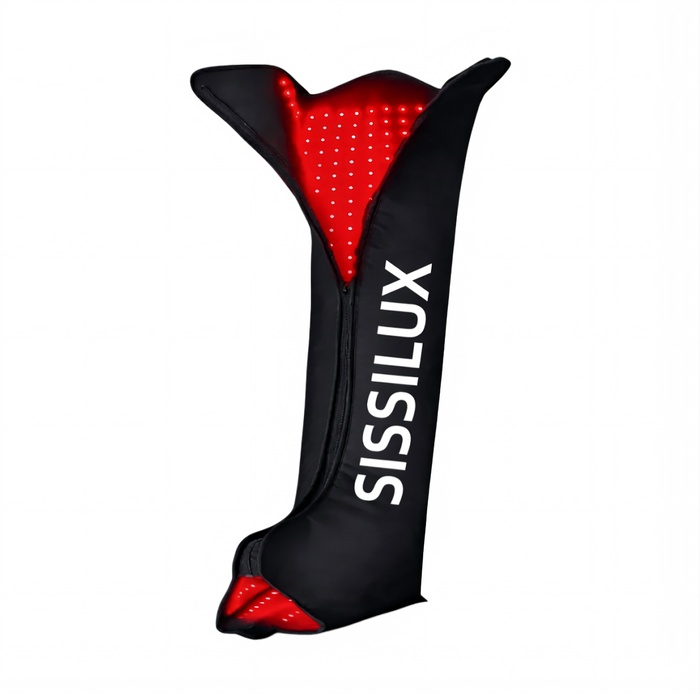
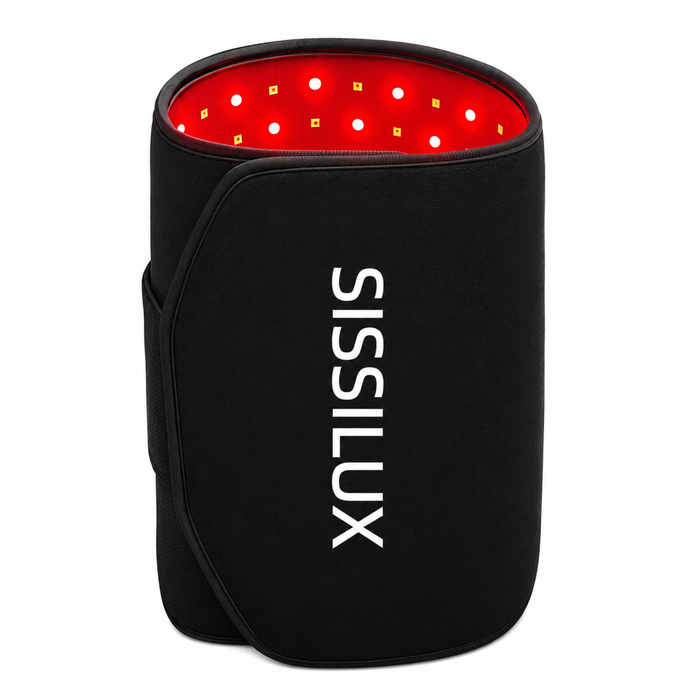
SISSILUX SissWrap™ Foot combines sole, heel and ankle coverage with cordless operation, five light modes and three brightness levels. Its foot-shaped setup helps keep the emitting area aligned during a seated recovery break.
Still deciding on a home device? See how SissWrap Foot fits a plantar-fasciitis routine, with its adjustable fit, cordless design and real placement images.
How long, how often, and on which setting?
There is no single session duration that transfers reliably between devices. Light output, exposure time, area and distance all affect the delivered exposure. The same number of minutes can mean different doses; see the research on accurate light measurement.
For SissWrap Foot, check the operating instructions supplied with your unit for duration and frequency. If either is missing, ask SISSILUX support for your model’s guidance before selecting the timer.
Daily use should likewise follow your device instructions and any advice from your treating clinician. Do not increase duration, frequency or brightness together to chase a faster result. A higher setting is not a substitute for knowing the prescribed exposure.
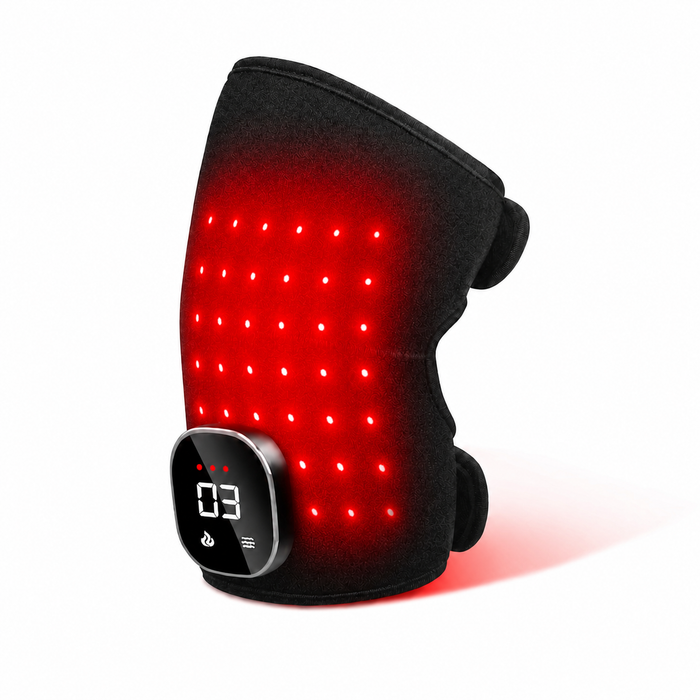
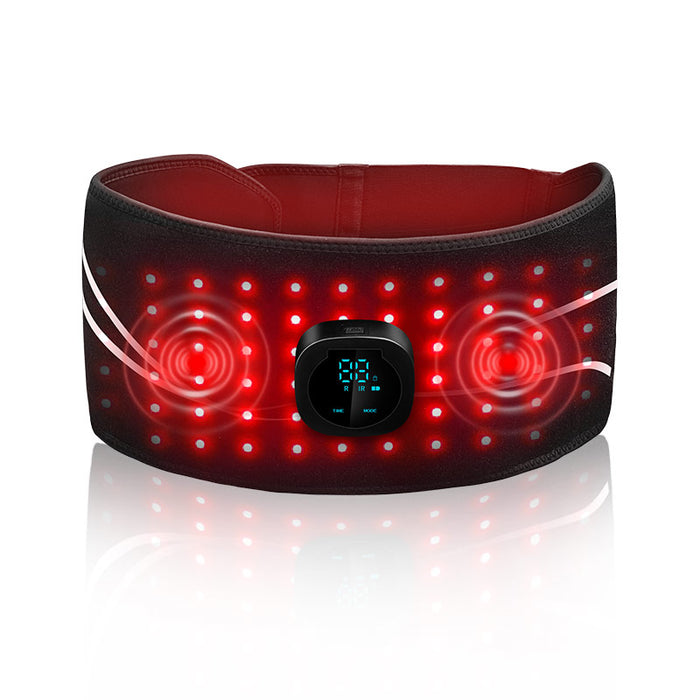
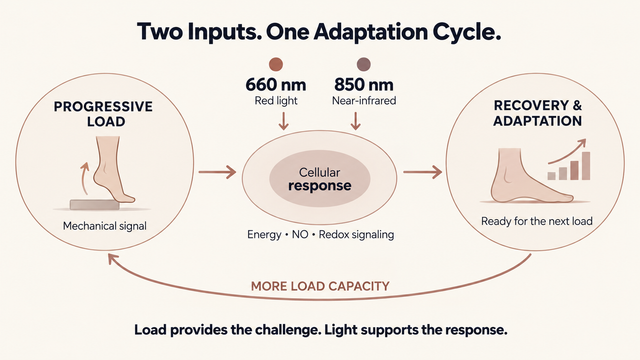
SissWrap Foot combines 660 nm red and 850 nm near-infrared LEDs for targeted foot recovery. Select modes using its supplied guidance so that placement, settings and exposure time form one consistent routine.
Morning, after a run, or before bed?
Choose a time when you can sit and follow the instructions without rushing. A morning session, an after-work break or an evening routine are scheduling choices—not reasons to change the dose. Finish an evening session while awake.
After running, keep track of whether activity itself is making heel pain worse. Light use should not become permission to repeat a load your foot is struggling with. There is no device-specific evidence here to prescribe light before rather than after stretching; keep the rehabilitation sequence agreed with your clinician.
What else belongs in a plantar-fasciitis routine?
AAOS guidance on plantar fasciitis describes activity changes, supportive footwear, calf stretching and plantar-fascia stretching as parts of conservative care. A home light device does not replace that plan.
The 2023 heel-pain clinical guideline recommends low-level laser therapy alongside rehabilitation for short-term pain reduction. This gives light-based care a defined role beside stretching and exercise. Our plantar-fasciitis evidence guide explains the studies and treatment approaches in more detail.
For the active-rehabilitation side of the routine, our progressive-loading recovery guide explains how heel-raise loading builds capacity and where a red or near-infrared light session can fit between harder loading days.
How will you know whether it is helping?
Record first-step heel discomfort and how comfortably you manage an ordinary walk, alongside your settings and activity. Compare similar days rather than judging from the warmth or brightness of one session. This is a practical tracking method, not a promised recovery schedule.
Agree on a review point with your clinician if symptoms persist. Worsening pain or a new injury needs reassessment; do not respond by extending exposure. Numbness, a wound or diabetes-related foot concerns also call for individual advice before home use.
Still choosing equipment? Our plantar-fasciitis device guide compares heel coverage, panel positioning and foot-wrap fit. If a seated, cordless setup suits you, see SissWrap Foot’s coverage and controls.
Keep a record that separates setup from outcome
| Record | Why it helps |
|---|---|
| Device model, mode and instructions used | Makes the setup reproducible without assuming a universal dose. |
| Usual first-step discomfort and ordinary walking tolerance | Keeps the outcome tied to daily function rather than brightness. |
| Activity or footwear changes | Helps you notice other changes that could explain the result. |