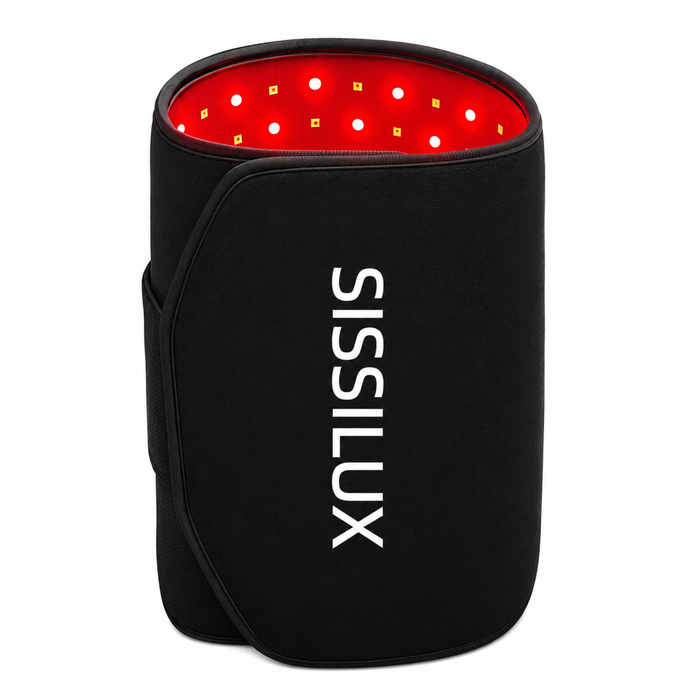
Some photobiomodulation studies in diabetic peripheral neuropathy report changes in sensation or nerve-related measures as well as pain. That makes light research relevant to more than a soothing sensation. To interpret a result, ask what was measured: less burning, better detection of pressure and faster nerve signals are different outcomes.
Read the outcome before the headline
| Measure | What a reported improvement means | Why you might care |
|---|---|---|
| Pain rating | The participant reports less pain. | Comfort may make ordinary activity easier even if protective sensation is unchanged. |
| Monofilament or protective-sensation test | The foot detects a standardized pressure stimulus more reliably. | This concerns noticing contact; clinical foot checks remain important. |
| Vibration perception | The person detects vibration differently on a standardized test. | It adds a sensory result beyond a pain score. |
| Nerve conduction | Measured electrical signaling changes along the tested nerve. | It is more objective than a symptom report, but does not by itself show new nerve tissue. |
| Plantar pressure | The distribution of pressure under the foot changes. | It describes loading during function rather than directly measuring nerve structure. |
| Biomarker | A laboratory measurement changes. | It can inform research mechanisms; read it beside clinical outcomes, not instead of them. |
What the research contributes
A 2023 systematic review reported improvements across pain, nerve conduction and plantar-pressure outcomes in the included DPN literature. A 2025 randomized trial also reported protective-sensation and other neuropathy-related changes.
The results are not uniform: an older sham-controlled infrared study did not find an advantage across several sensory and nerve outcomes. The DPN evidence review keeps the study-by-study comparison together.
Does an improvement mean nerves regenerated?
Not by itself. Pain, sensory tests and signaling can improve without demonstrating structural nerve regrowth or reversal of neuropathy. A useful result does not need that stronger label to matter: better comfort and sensory function are worth understanding on their own terms.
Use the distinction in your next clinical conversation. If burning eases, ask whether protective sensation is also being monitored. If a test improves, ask what it changes in your foot-care plan. Do not stop inspection or assume injury risk has disappeared because one symptom feels better.
Bring the outcome into a practical routine
Choose one daily outcome you can describe, such as discomfort during an ordinary walk, and keep formal sensory testing with your care team. Record activity and other care changes alongside any light sessions so that the observation has context.
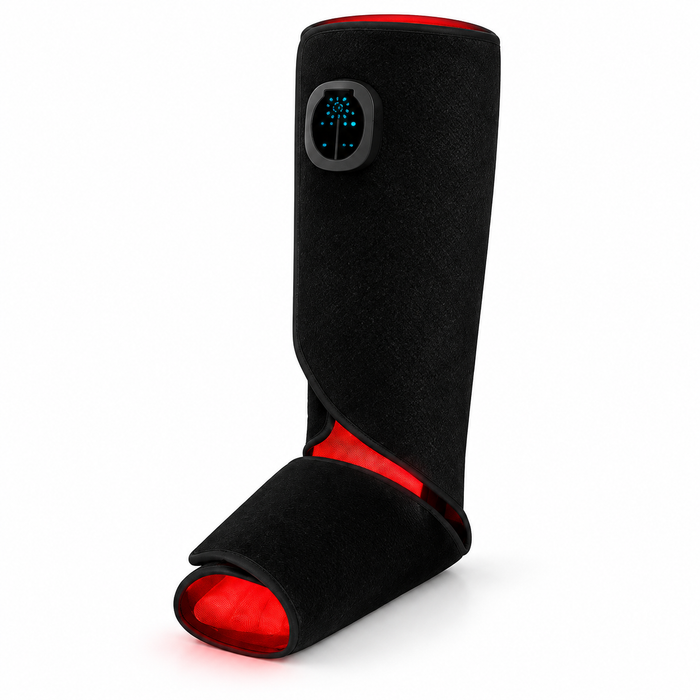
If home light use fits your plan, the foot setup guide explains coverage and inspection. The device comparison focuses on fastening, controls and one-foot or two-foot use. If the cause of numbness remains unknown, start with the symptom entry guide rather than assuming the DPN studies answer it.