How to Use Red Light Therapy for Neuropathy in Feet

If you are considering red light therapy for neuropathy in the feet, the practical questions are straightforward: Where should the light go? Should you expose the sole, the top of the foot, or both? How long should a session last? And can you copy the schedule used in a clinical trial?

The last question is where many online guides go wrong.

Human studies of photobiomodulation therapy (PBMT) for diabetic peripheral neuropathy have used specific clinical lasers, wavelengths, doses, treatment areas, and schedules. Those studies can tell us what researchers tested. They do not create one universal protocol for every home LED device.

This guide separates those two things.

Quick Answer

Clinical DPN studies have applied PBMT to the plantar surface, dorsal surface, or broader surface of the feet. That makes both coverage and repeatable positioning relevant.

For home use:

  1. Identify the area you actually intend to expose.
  2. Use bare skin when the device instructions call for direct light exposure.
  3. Follow the treatment duration and frequency specified for your particular device.
  4. Do not copy a laser study's minutes without also matching its measured dose.
  5. Continue appropriate neuropathy and diabetic foot care.

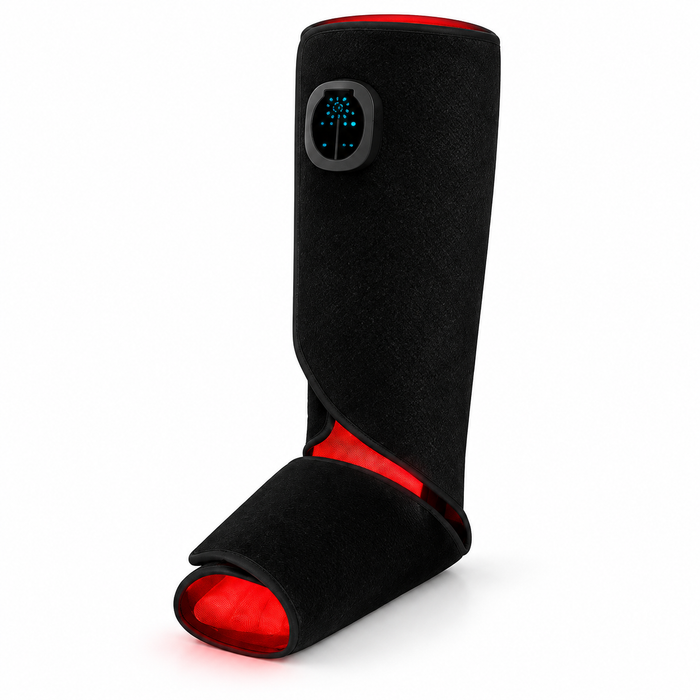
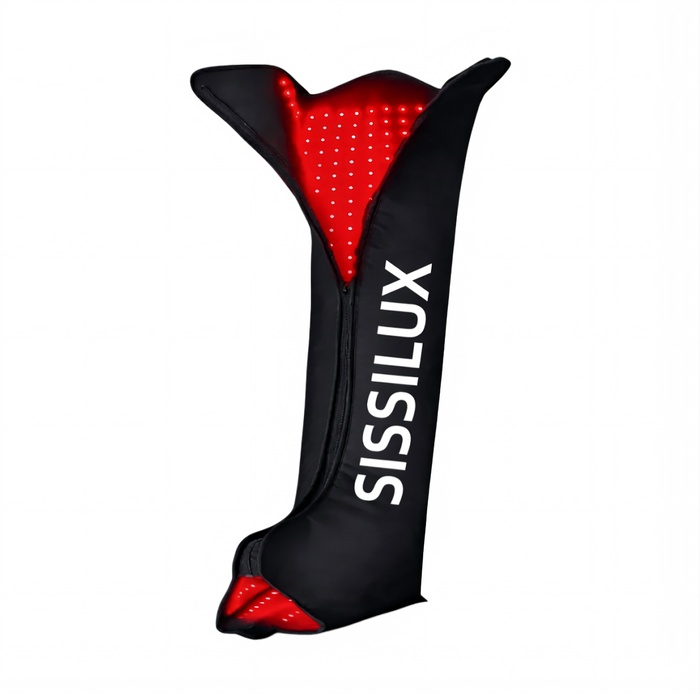
For the Sissilux foot wrap specifically, the current device guidance is 15–20 minute sessions. That is device-specific guidance, not a universal DPN treatment protocol.

Where Did Clinical Studies Apply PBMT?

A 2025 randomized controlled trial with 200 participants applied PBMT to both the plantar and dorsal surfaces of the feet.

A randomized study using visible red and near-infrared wavelengths applied PBMT over the surface of each foot.

Researchers have also studied foot-shaped delivery systems intended to expose a broader region rather than one isolated point.

This does not mean every person needs full-foot treatment. It does show that treatment geometry is a real variable in clinical research.

Should You Treat the Bottom or Top of the Foot?

There is no evidence-based rule saying every home user should always treat both.

The plantar surface is relevant because neuropathic symptoms often affect the toes, forefoot, and sole, and sensory testing in DPN commonly includes plantar locations.

The dorsal surface has also been included in clinical protocols.

With a stationary panel, you may need separate positions if you want to expose both sides.

With a foot-conforming device, the light source can stay closer to several surfaces at once depending on the design.

The key is not to assume that one device shape is medically superior. It is to understand what area you are actually exposing.

Do You Need Bare Skin?

Opaque shoes and thick socks block a substantial amount of visible and near-infrared light.

If the device is designed for direct treatment of the foot, follow its instructions regarding skin contact and remove barriers that would prevent light from reaching the intended area.

This is particularly relevant for neuropathy because a person with reduced sensation may not notice uncomfortable pressure or heat as quickly as someone with normal sensation. The device should fit comfortably without excessive compression.

How Long Should a Session Last?

There is no single scientifically correct number of minutes for all red light devices.

Treatment dose depends on:

  • Wavelength
  • Irradiance
  • Energy density
  • Distance
  • Exposure time
  • Treatment area
  • Continuous or pulsed output

Two devices used for 15 minutes can deliver very different optical doses.

That is why “15 minutes worked in a study” does not mean “15 minutes is clinically proven for my home wrap.”

What Treatment Schedules Have Researchers Used?

Clinical schedules vary substantially.

One randomized DPN study used 15-minute sessions three times per week for 12 sessions.

The 2025 200-participant trial used a different laser wavelength, energy density, session duration, and treatment schedule.

An older sham-controlled study used at-home infrared treatment daily for 90 days and did not show an advantage over sham.

That variation is itself informative.

There is no credible scientific basis for extracting one frequency — daily, three times per week, or otherwise — and declaring it the universal best schedule for neuropathy.

What About the Sissilux Foot Wrap?

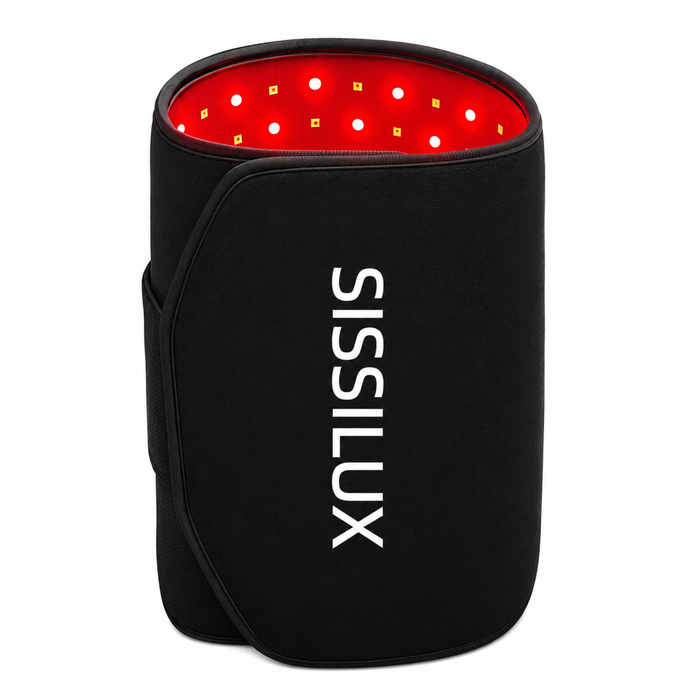
The Sissilux Red & Near-Infrared Light Therapy Wrap for Feet & Ankles combines 660nm red light and 850nm near-infrared light in a flexible cordless format intended to surround the sole, heel, and ankle.

For this device, the current recommended session length is 15–20 minutes.

That recommendation should be followed as product guidance rather than justified by borrowing a different clinical laser protocol.

Which Wavelengths Have Been Studied?

DPN studies have investigated both visible red and near-infrared wavelengths.

For example, one randomized trial used 630nm and 819nm wavelengths. Another larger trial used 632.8nm light.

Home products commonly use wavelengths such as 660nm red and 850nm near-infrared.

These are nearby regions of the spectrum, but “nearby” does not mean clinically identical.

There is also not enough head-to-head evidence to say that red light or near-infrared is universally superior for foot neuropathy.

For a deeper explanation of wavelength, irradiance, and PBM dose, see the science behind Sissilux red light therapy.

How Should You Build a Home Routine?

A simple routine is usually better than a complicated one.

Step 1: Inspect the Feet First

If you have reduced sensation, check for blisters, cuts, pressure marks, redness, swelling, or other changes before placing a device around the foot.

Step 2: Sit and Unload the Feet

Use the session while seated. This makes positioning easier and avoids adding pressure to areas that may already have reduced sensation.

Step 3: Position the Light Consistently

Make sure the intended area actually receives light. A panel may require deliberate repositioning; a wearable may make repeatable placement easier.

Step 4: Follow the Device Protocol

Do not double treatment time because you do not feel an immediate change. More PBMT is not automatically better.

Step 5: Recheck the Skin

People with neuropathy may not notice pressure or irritation normally. Inspect the feet after treatment as well.

How Often Should You Use Red Light Therapy?

The correct frequency depends on the device and delivered dose.

A home-product schedule should be based on the manufacturer's protocol rather than copied from a study using a different optical output.

If you are working with a clinician who is using PBMT as part of neuropathy care, follow that clinical protocol.

What Changes Should You Pay Attention To?

If you are using PBMT as an adjunct, useful outcomes are not limited to “does it feel warm?” or “does it tingle less immediately?”

Clinical DPN studies have examined:

  • Pain intensity
  • Numbness and symptom scores
  • Monofilament sensation
  • Vibration perception
  • Nerve conduction
  • Plantar pressure distribution

At home, objective neurological testing belongs with a healthcare professional. Do not interpret temporary changes in sensation as proof that nerves are regenerating.

What Does the Evidence Actually Support?

PBMT has a meaningful DPN research base, including positive randomized trials and a systematic review. But results are heterogeneous, and at least one substantial sham-controlled trial found no benefit over placebo treatment.

For the complete evidence review, read Does Red Light Therapy Help Diabetic Peripheral Neuropathy? What the Evidence Says.

Panel vs Wrap vs Foot Device

If you already own a suitable panel, it may be perfectly reasonable to use it for your feet if you can position the relevant surfaces toward the LEDs.

A wearable or foot-specific device can make positioning easier, especially if you want consistent coverage around the sole.

The best format depends on how much of the foot you want to expose, whether both feet are involved, how much space you have, and whether you also want to treat other body areas.

See our full buying guide: Best Red Light Therapy Device for Foot Neuropathy: Panel vs Wrap vs Foot Device.

When You Should Not Rely on Home Red Light Therapy

Seek professional evaluation for new or worsening numbness, progressive weakness, balance changes, or unexplained burning pain.

For people with diabetes, an open wound, infection, rapidly increasing redness, swelling, drainage, discoloration, or a sudden change in foot temperature should not be managed by simply increasing red light sessions.

Loss of protective sensation can hide serious injury.

Frequently Asked Questions

Can I use red light therapy on the soles of my feet?

Yes, if the device is designed for that use. Plantar treatment has also appeared in clinical DPN protocols.

Should I use red light every day for neuropathy?

Not as a universal rule. Clinical schedules vary, and home-device frequency should follow the specific device protocol.

How long should I use red light therapy for foot neuropathy?

There is no universal duration. The Sissilux foot wrap uses 15–20 minute sessions, but that duration should not be generalized to other devices.

Can I treat both feet?

Yes, if the device setup supports bilateral use. If using separate wearables, check whether the product includes one or two units.

The Bottom Line

The most scientifically responsible way to use red light therapy for foot neuropathy is to separate clinical evidence from device-specific home instructions.

Studies show that researchers have treated plantar, dorsal, and broader foot surfaces. They also show that protocols vary substantially.

At home, prioritize safe foot inspection, repeatable placement, and the treatment schedule intended for your particular device.

And if your symptoms are not clearly diabetic neuropathy, start with the broader foot pain evidence guide or seek evaluation for the underlying cause.

References

블로그로 돌아가기