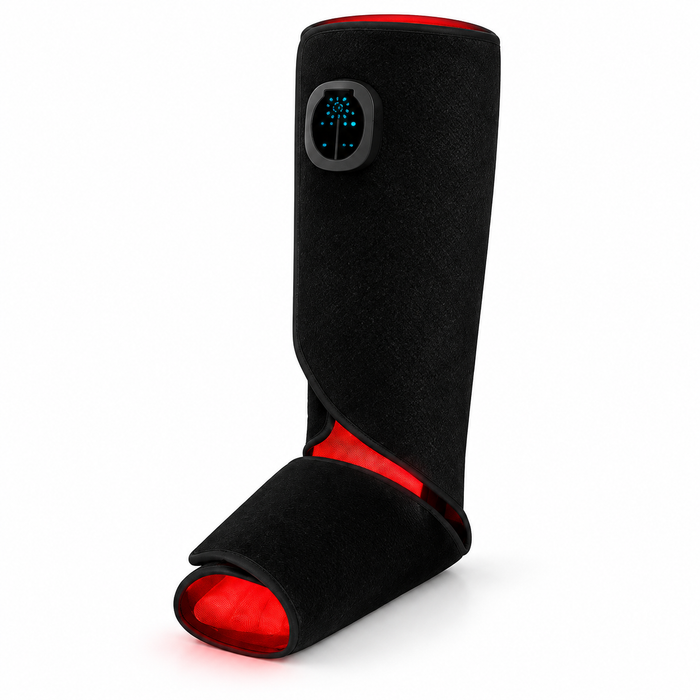
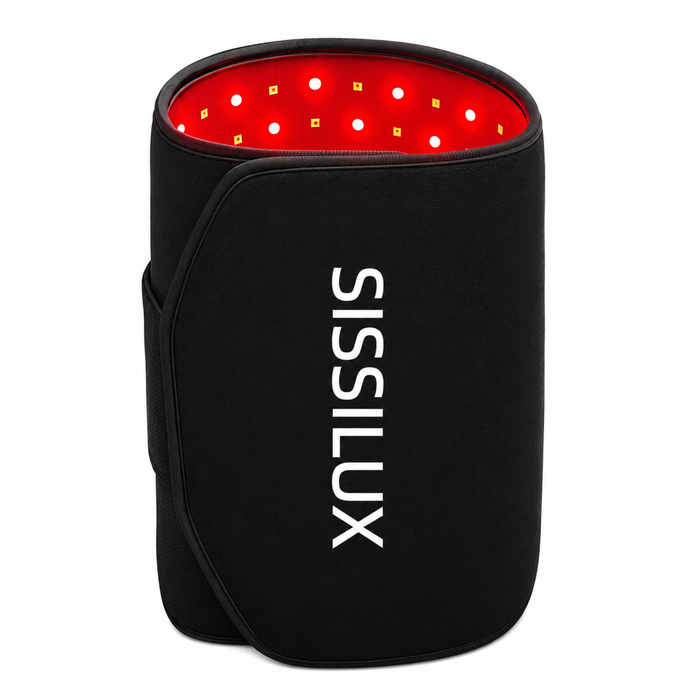
Red and near-infrared light research offers a positive reason to consider light-based support for some neuropathy-related foot goals. The most relevant human evidence is in diabetic peripheral neuropathy, with studies reporting changes in pain and selected sensory measures. First connect that research to the cause of your own burning, tingling or numbness.
If diabetes-related neuropathy is already diagnosed, read the DPN study review. If your question is whether a change in sensation means better nerve function, use the outcome explanation. Choose the next guide around the question that will change your care or purchase decision.
What Does Foot Neuropathy Feel Like?
Peripheral neuropathy affects nerves outside the brain and spinal cord. In the feet, symptoms can include:
- Burning pain
- Tingling or pins-and-needles
- Numbness
- Reduced ability to feel temperature or pressure
- Unusual sensitivity to light touch
- Electric, shooting, or stabbing sensations
- Balance problems when sensation is reduced
In diabetic peripheral neuropathy, symptoms often begin in the toes and feet and can gradually move upward. Some people have painful symptoms; others mainly lose sensation.
Loss of protective sensation is especially important because a foot can be injured without producing the warning pain a person would normally notice.
What About Neuropathy That Is Not Caused by Diabetes?
This is where overgeneralization becomes a problem.
People search for red light therapy for:
- Chemotherapy-induced neuropathy
- Small-fiber neuropathy
- Idiopathic neuropathy
- Nerve-compression symptoms
- Vitamin-deficiency neuropathy
- Alcohol-related neuropathy
Those are not interchangeable conditions.
The fact that PBMT has shown promising results in DPN does not establish that the same wavelengths, dose, or treatment schedule will help every other type of neuropathy.
If the cause of persistent numbness or burning is unknown, identifying the cause should come before assuming that a home light device is the answer.
When Numb or Tingling Feet Need Medical Evaluation
Persistent numbness, burning, weakness, balance changes, or loss of sensation deserves medical evaluation, especially when the cause is unknown.
For people with diabetes, reduced protective sensation increases the importance of daily foot inspection and professional foot care. Seek prompt care for an open wound, infection, rapidly increasing redness or swelling, tissue discoloration, or a foot that becomes unusually hot or cold.
Red light therapy should never be used as a reason to ignore a wound simply because the area does not hurt.
Choose the next question after the symptom question
A confirmed diabetic-neuropathy diagnosis leads to the DPN study review. A question about restored sensation leads to what nerve-function outcomes mean. If home use is appropriate and you need help comparing fit and inspection access, use the foot-device buying checks. Choosing a device first cannot establish why a foot is numb.
References
- Systematic review of PBMT for diabetic peripheral neuropathy. Current Diabetes Reviews. 2023.
- Randomized controlled trial of PBMT in type 2 diabetes with peripheral neuropathy. 2025.
- Double-blind sham-controlled trial of monochromatic infrared photoenergy. Diabetes Care. 2008 (published online 2007).