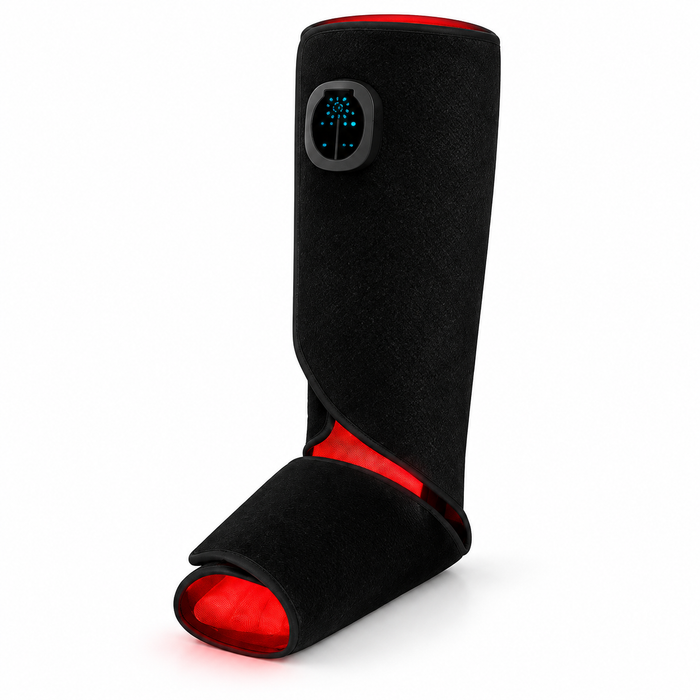
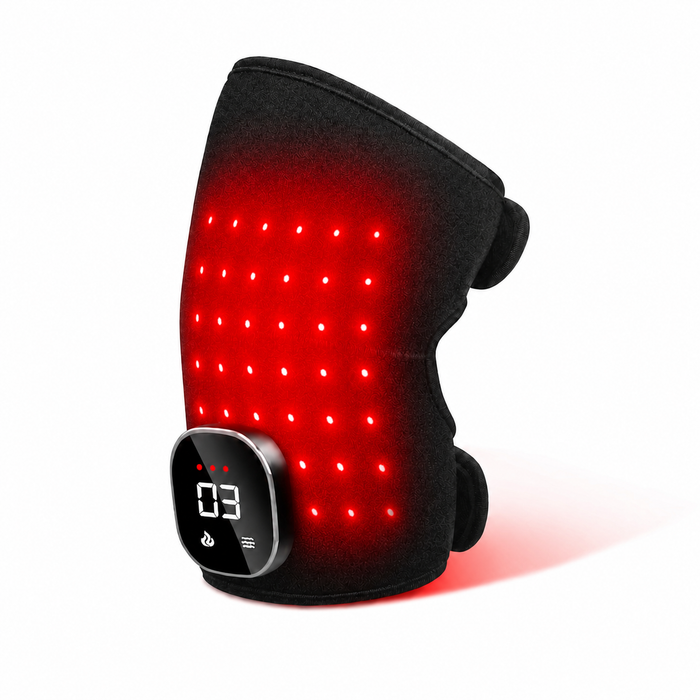
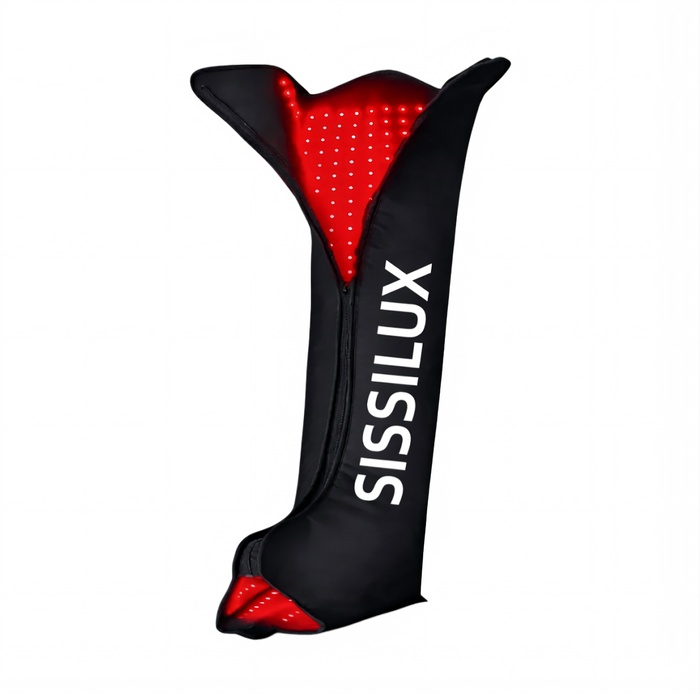
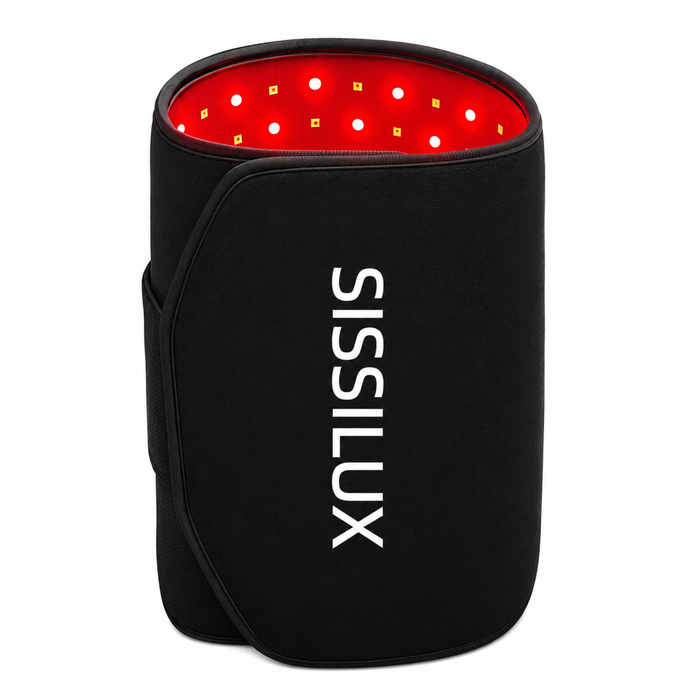
SISSILUX SissWrap™ Foot brings red and near-infrared LEDs into an adjustable cordless foot setup, helping you keep the light directed toward the intended surfaces while seated. SISSILUX sells this wrap; this guide compares published features and the routines each format supports.
Boots, wraps or panels: choose by the routine you need
| Your priority | Start with | What could change the choice? |
|---|---|---|
| A seated routine mainly for your feet | A foot wrap or boot with verified coverage of the intended surfaces. | Fit, fastening or access for skin inspection is difficult. |
| Both feet without taking turns | A confirmed two-device package or a setup explicitly designed for both feet. | The listing contains one device, despite showing two feet in a photo. |
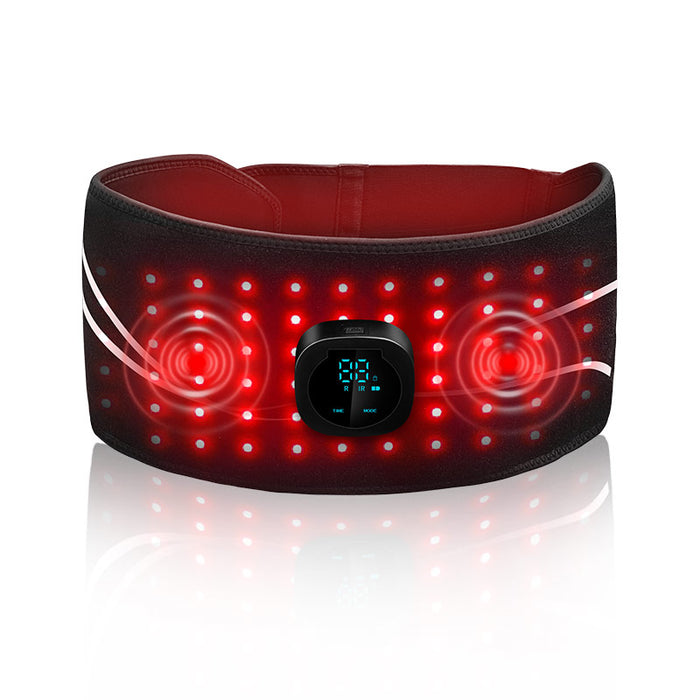
| Several body areas | A panel or a flexible pad whose instructions support the intended placements. | Positioning the sole or heel becomes awkward or leaves it facing away from the light. |
| You already own a suitable panel | Check its instructed foot setup before buying again. | A wearable fixes a specific problem, such as repeated repositioning—not merely a desire for more LEDs. |
“Boot” is a product label, not a guarantee about the fit or illuminated area. Some products called boots are flexible wearables; others have a more fixed shape. Look at the actual device and placement images, rather than assuming the name tells you how it will sit on your foot.
When SissWrap Foot makes sense—and when it does not
Check coverage and the two-foot setup before comparing prices
Ask to see the light-emitting surface at the sole, heel, toes and top of the foot. A glowing exterior photo does not establish what reaches each area. Then check whether you can fasten, remove and inspect the wrap without help. If you need assistance, include that in the routine rather than choosing on portability alone.
For both feet, decide whether taking turns is acceptable. One device used sequentially involves two setups; two devices involve a different purchase quantity and charging arrangement. Compare the complete setup you intend to buy, including any required controller or power supply. A single-device price cannot fairly be compared with a two-device kit.
Do not treat a built-in battery as permission to walk in the wrap. Use the positioning and activity guidance supplied with the actual model. Cordless describes its power arrangement, not its suitability as footwear.
Reduced sensation changes what “comfortable” means
Numb feet may not give reliable warning of heat, rubbing or injury. NIDDK’s diabetic-foot guidance explains why daily visual inspection matters when sensation is reduced.
If you have reduced sensation, wounds, diabetes-related foot complications or circulation concerns, agree with your clinician whether home light use fits your care plan and which settings, skin checks and stop conditions apply. Do not use an unassessed wound as a reason to increase brightness or exposure.
Before buying, check whether you can reach the controls and remove the device promptly. More modes are useful only if you know which setting to use; the highest setting is not an automatic starting point.
What neuropathy research adds to the choice
A 2025 randomized trial in 200 people with diabetic peripheral neuropathy reported improvements in symptoms and selected measures using a defined 632.8 nm helium-neon laser protocol. That provides a positive clinical reason to examine light-based support within a neuropathy care plan.
A 2026 pilot trial involving 26 participants also reported preliminary short-term changes; between-group superiority remained unresolved. For the home-use decision, connect the research goal to the surfaces you want to expose, an accessible setup and a skin-inspection routine.
For the fuller research picture, read our diabetic-neuropathy evidence review. If the cause of your symptoms is still unclear, start with the guide to numbness and tingling in the feet rather than shopping by a condition label.
Which specifications are worth asking for?
- Actual wavelengths: the manufacturer should identify them. A red appearance does not tell you whether near-infrared light is present.
- Output with measurement conditions: ask for irradiance at the intended placement and how it was measured. LED count and electrical watts alone do not establish the light dose arriving at the skin.
- Instructions you can use: exposure time, frequency, placement and setting guidance should apply to that model. A clinical laser schedule is not a substitute.
- Fit and access: confirm the illuminated surfaces, fastening and ability to inspect the foot. These can rule out an otherwise appealing device.
Near-infrared inclusion, close contact and a higher LED count do not establish treatment equivalence between products. The wrap-versus-panel comparison explains the wider output and coverage tradeoffs.
A practical shortlist before you order
If home light use fits your care plan, choose the format that solves your actual setup problem. For a seated cordless foot routine, check SissWrap Foot’s fit and controls. For broad body use, compare a panel; for an existing workable panel, keep it unless a wearable offers a specific convenience you value.
Confirm the intended surfaces, one-foot or two-foot arrangement, usable instructions and complete purchase quantity. Once those are settled, use the foot-neuropathy setup guide for the next positioning and care-plan questions.